Why Won't My Eyelid or Finger Stop Twitching?
Most isolated eyelid or finger twitches are benign involuntary muscle contractions, called myokymia in the eyelid or fasciculations in a small area of muscle, and they are often linked to fatigue, stress, caffeine, or poor sleep. Many stop on their own.
SymptomsMuscle Twitchingsymptom-check
Written By: DocAi Health Editorial Team
Last Updated: 2026-09-30
Last Updated: 2026-09-30
Medical Disclaimer: This article is for general informational and educational purposes only and is not medical advice. It does not create a doctor-patient relationship and is not a substitute for professional diagnosis or treatment by a qualified healthcare provider. Never disregard or delay seeking professional medical advice because of something you have read here. If you think you may have a medical emergency, call 911 or your local emergency number right away. Health information can change and this guidance is general and US-focused, so consult a licensed clinician in your own country about your specific situation.
Most isolated eyelid or finger twitches are benign involuntary muscle contractions, called myokymia in the eyelid or fasciculations in a small area of muscle, and they are often linked to fatigue, stress, caffeine, or poor sleep. Many stop on their own. Twitching is worth paying attention to when it is persistent, keeps recurring, spreads beyond one small area, or shows up alongside weakness, muscle wasting, numbness, or trouble with fine movements. This guide walks through what causes eyelid and finger twitching, how to tell benign from serious, and when to get it checked.
What Is Happening Inside a Twitching Muscle
A muscle twitch, technically called a fasciculation, happens when a small group of muscle fibers contracts on its own, without you telling it to. Each muscle is normally controlled by a nerve cell that fires when your brain sends a deliberate signal down it. Twitching can occur when motor nerves or muscle fibers become more excitable than usual. Fatigue, short sleep, stress, stimulants such as caffeine, exercise, some medications, and some metabolic or electrolyte problems can contribute, although the exact mechanism is not always clear.
Most isolated muscle twitches are benign, especially when they are brief and occur without weakness, muscle wasting, sensory changes, or other neurologic symptoms. MedlinePlus says benign twitches are quite common and often affect the eyelids, calf, or thumb, while twitching that is long-term or persistent, or that occurs with weakness or loss of muscle, is a reason to contact a health care provider.
Why Your Eyelid Won't Stop Twitching
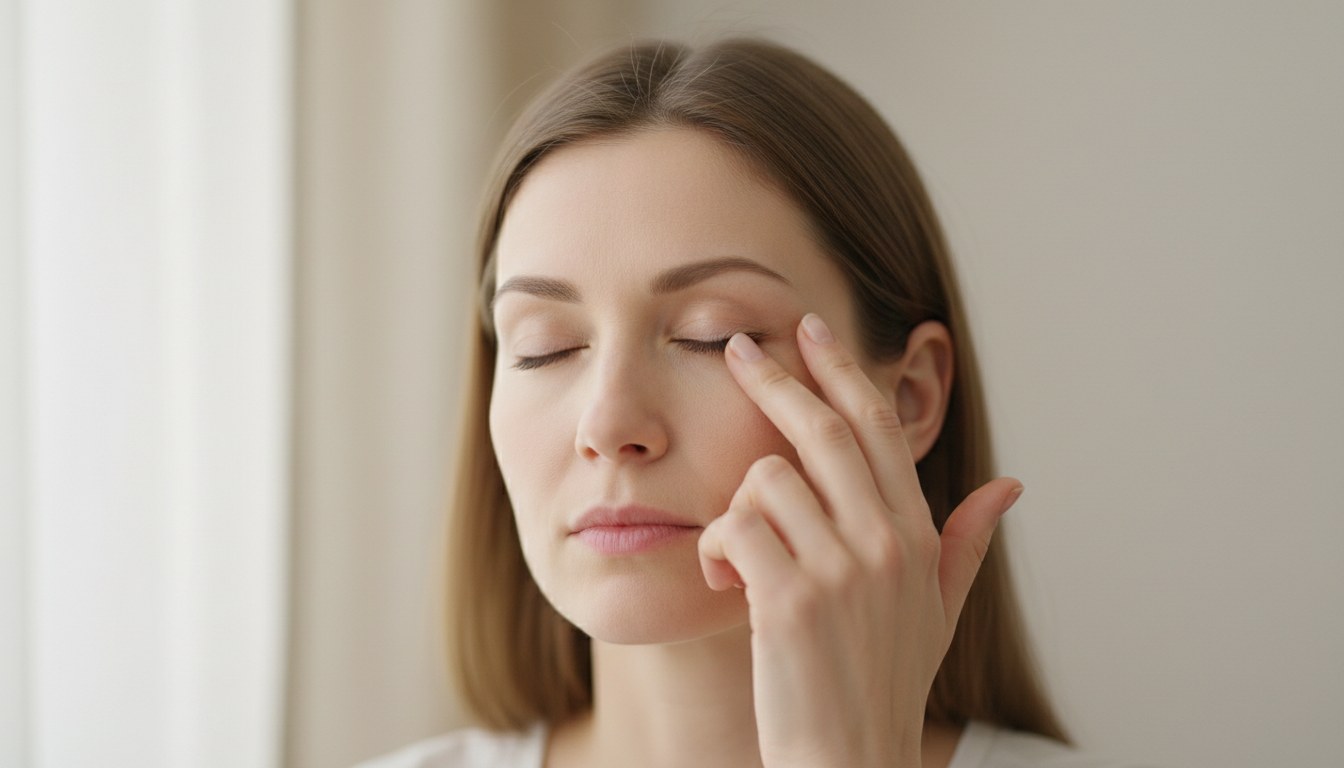
A common cause of eyelid twitching is eyelid myokymia, a fine, involuntary flutter of the eyelid muscle. It often shows up in one eyelid as a rippling flutter you can feel more than see from the outside, and it can come and go in episodes. MedlinePlus lists fatigue, stress, caffeine, and excessive alcohol among the usual causes of an eyelid twitch. Eye irritation, dry eyes, or prolonged visual tasks may contribute in some people, and sometimes no reason can be found.
Myokymia is common and often eases with more sleep and less caffeine or alcohol. MedlinePlus says most eyelid twitches stop within a week. It suggests making an appointment with a primary care provider or an eye doctor if a twitch lasts longer than that, closes the eyelid completely, involves other parts of your face, comes with redness, swelling, or discharge from the eye, or comes with a drooping upper eyelid.
When Eyelid Twitching Is Something Else
Two much less common conditions can look similar to ordinary myokymia at first but behave differently over time. Benign essential blepharospasm usually involves both eyes rather than one, often starts as more frequent blinking with eye irritation or light sensitivity, and can progress to spasms that make it hard to keep the eyes open. NINDS describes it as a form of dystonia, a movement disorder, that is more common in middle-aged and older women. Hemifacial spasm, by contrast, affects only one side of the face but is not limited to the eyelid; it often involves the lower face as well, can continue even during sleep, and is commonly caused by irritation or compression of the facial nerve, often by a nearby blood vessel, though Mayo Clinic notes that sometimes no cause is found. Neither condition is a medical emergency, but both are worth a clinical evaluation, often with a neurologist or ophthalmologist, because treatments such as botulinum toxin injections can help. These disorders often persist despite simple measures such as improved sleep and reduced caffeine and may require specific treatment.
Twitch or Tremor? Telling Them Apart
People sometimes use twitching and tremor to describe the same thing, but they are different movements with different meanings. A twitch or fasciculation is a brief, irregular flicker in one small area, like a single ripple under the skin of your eyelid or a quick jump in one finger, and it comes and goes unpredictably. A tremor is a rhythmic, back-and-forth shaking that repeats at a steady rate, often affecting a whole hand or the entire head, and it can be present at rest or only during movement depending on the cause. If what you are noticing is a steady rhythmic shake rather than an occasional flutter, that can point toward a different set of causes, including thyroid problems, certain medications, low blood sugar, or a movement disorder such as essential tremor. One symptom alone does not establish any of these, but it is worth describing precisely to your doctor using the word tremor rather than twitch.
Why Your Finger Keeps Twitching
Twitching in a finger, hand, or forearm can have the same everyday causes as eyelid myokymia. Common contributors include physical fatigue after exercise, poor sleep, caffeine and other stimulants, and anxiety or stress, although the exact mechanism is not always clear. Twitching that moves between different muscle groups can occur in benign conditions, but the pattern alone cannot rule out a neurologic or metabolic disorder. Persistent twitching, especially when accompanied by weakness, muscle wasting, sensory changes, or functional difficulty, should be evaluated. You may also see the term benign fasciculation syndrome online. It is a diagnosis a clinician reserves for persistent twitching after other causes have been considered, not a label for ordinary twitching.
Minerals can matter too. MedlinePlus lists metabolic conditions, including low potassium and kidney disease, among the causes of muscle twitching, and providers may order blood tests for electrolytes, thyroid function, and blood chemistry. Low magnesium or calcium can also contribute, but a true shortage from diet alone is uncommon in people who eat a varied diet, so isolated twitching should not be assumed to mean a deficiency. Our guide to What Does a Low Magnesium Level Mean? covers what a low result can mean.
Ruling Out a Pinched Nerve
Sometimes what feels like random finger twitching can come from a nerve being compressed higher up, often where nerves exit your spine in the neck. Cervical radiculopathy, a pinched nerve in the neck, more typically causes pain, tingling, numbness, or weakness that follows a specific path down one arm into particular fingers, with twitching a less typical feature, and it may be worse when you tilt your head or hold your neck in certain positions for a while. This is a different mechanism from ordinary fasciculation, and it often comes with a pins-and-needles sensation or neck discomfort rather than twitching by itself. If tingling or numbness is the main thing you notice, our guides to pins and needles in both feet and Causes of Numbness and Tingling in Hands and Feet cover that sensation in more depth.
What About ALS? Putting the Worry in Context
Muscle twitching is well known online as an early sign of amyotrophic lateral sclerosis (ALS), and searching for reassurance about a single finger twitch can quickly lead to frightening reading. ALS is rare, while benign twitching is a much more common experience that many people have at some point. ALS can cause fasciculations, but fasciculations alone are not enough to diagnose it. MedlinePlus describes muscle weakness that starts in one body part, such as the arm or hand, and slowly gets worse. Progressive weakness, muscle wasting, loss of function, or other neurologic findings are more concerning and should prompt medical evaluation, for example growing difficulty gripping objects, buttoning a shirt, or walking.
For some reassurance, a long-term follow-up study in the Annals of Neurology identified 121 Mayo Clinic patients with benign fasciculations, all with a normal neurological examination and normal nerve and muscle tests apart from the fasciculations. When they were interviewed 2 to 32 years after diagnosis, none had developed symptomatic motor neuron disease. A 2025 systematic review of three follow-up studies of benign fasciculation syndrome, covering 180 patients, likewise found no motor neuron dysfunction at follow-up, although the fasciculations persisted in the large majority of patients and progression has been described only in individual case reports. These findings come from evaluated patients, so they cannot be applied to everyone with twitching, which is why an evaluation matters if twitching persists.
Isolated twitching without weakness, muscle wasting, sensory changes, or functional loss is more often associated with benign causes, but persistent symptoms should still be assessed in context. A primary care visit and, if needed, a referral for nerve and muscle testing can give you a more reliable answer than searching online.
Other Medical Causes Worth Knowing About
A handful of other conditions can make muscles twitch more than the everyday factors already covered. An overactive thyroid, called hyperthyroidism, may be associated with muscle twitching but more typically causes shaky hands and muscle weakness, along with a racing or irregular heartbeat, unexplained weight loss, feeling hot when others do not, and trouble sleeping. Our guide to First Warning Signs of a Thyroid Problem covers that picture. Some medicines can be linked to twitching too. MedlinePlus lists diuretics, corticosteroids, estrogens, and stimulants such as caffeine and amphetamines among them. If you suspect a medicine is involved, tell your prescriber or pharmacist so they can decide what to do, and do not stop or change a prescribed medicine on your own. Heavy or recently increased caffeine intake, whether from coffee, energy drinks, or supplements, is a common and easily overlooked contributor to both eyelid and finger twitching. If fatigue itself is what is wearing you down, our guide to the causes of fatigue looks at that question on its own terms.
What Helps While You Wait It Out
For most benign twitching, the approach is simple. MedlinePlus lists getting more sleep, drinking less caffeine, consuming less alcohol, and lubricating your eyes with eye drops as steps that may help an eyelid twitch in the meantime. Finding a way to lower daily stress, whether through exercise, a wind-down routine before bed, or less screen time in the evening, may help too, though results vary. A warm, damp washcloth held gently over a twitching eyelid for a few minutes may relax the muscle.
Eating a varied diet with foods naturally rich in magnesium and potassium, such as leafy greens, nuts, beans, and bananas, supports normal nerve and muscle function. MedlinePlus notes that a true magnesium shortage is rare and that high magnesium intake is most likely to cause problems in people with significantly reduced kidney function, usually from supplements or magnesium-containing laxatives. Isolated twitching does not by itself point to magnesium deficiency, and high-dose magnesium is best discussed with a clinician first. Nighttime leg cramps have their own list of possible causes, and our guide to leg cramps at night covers them.
Keeping Track of What You're Noticing
Because twitching that needs medical attention behaves differently from twitching that does not, a simple log can help you and your doctor tell the difference. Note which muscle twitches, how long each episode lasts, whether it is spreading or staying in one place, and anything else happening at the same time, such as weakness, numbness, or a new medication. You can bring that record to a visit if the twitching is persistent, keeps recurring, or starts worrying you.
When Twitching Signals a Medical Emergency
Although most eyelid and finger twitching is benign, a small set of presentations need immediate attention. If facial twitching or any other muscle movement comes with sudden drooping on one side of your face, slurred or garbled speech, or new weakness or numbness in an arm or leg, treat the sudden neurologic symptoms as a possible stroke, call 911 right away, and note the time your symptoms began. If the twitching turns into rhythmic jerking that spreads across your body, or comes with confusion or loss of consciousness, that pattern can signal a seizure and also needs emergency care. A sudden inability to grip objects, walk steadily, swallow, or breathe comfortably is not typical of ordinary twitching and needs emergency evaluation, while weakness that builds gradually should be checked by a clinician soon.
An irregular or racing heartbeat can accompany an electrolyte problem, which may also cause twitching or cramping, but twitching with palpitations does not by itself point to an electrolyte problem. Seek emergency care if palpitations or an irregular heartbeat come with fainting, dizziness or lightheadedness, chest pain, trouble breathing, unusual sweating, marked weakness, or severe muscle spasms. If you have kidney disease, take a medicine that can change your potassium level, or have a known or suspected electrolyte abnormality, contact your clinician right away about new palpitations or muscle symptoms.
When to Seek Medical Care
When to Seek Urgent or Emergency Care
Eyelid and finger twitching are usually not medical emergencies by themselves, but a small number of presentations need urgent evaluation because they can point to a stroke, a seizure, or a dangerous shift in your body's electrolytes rather than ordinary muscle fatigue. This guidance is in addition to, not a replacement for, the general disclaimer above.
Emergency, call 911 or go to the emergency room immediately if:
- Sudden drooping on one side of your face, slurred or garbled speech, or new weakness or numbness in an arm or leg, with or without twitching (possible signs of stroke; call 911 and note when symptoms started)
- The twitching turns into rhythmic jerking that spreads across your body, or is accompanied by confusion or loss of consciousness (possible signs of a seizure)
- Sudden difficulty gripping objects, walking steadily, swallowing, or breathing comfortably
- An irregular or racing heartbeat together with fainting, dizziness or lightheadedness, chest pain, trouble breathing, unusual sweating, marked weakness, or severe muscle spasms
See a doctor soon (same-day or next available appointment) if:
- Twitching is persistent, keeps recurring, or is becoming more frequent (a routine appointment is reasonable if nothing else is going on)
- The eyelid spasm closes your eye completely, the twitching spreads to other parts of your face, your upper eyelid droops, or your eye is red, swollen, or has discharge
- Finger or hand twitching happens together with new muscle weakness, visible muscle wasting, changes in feeling, or trouble with fine tasks like buttoning a shirt or turning a key
- Twitching is paired with numbness, tingling, or pain that spreads down your arm or into your hand and does not go away
- You notice signs of an overactive thyroid alongside the twitching, such as a racing heart, unexplained weight loss, or feeling too hot much of the time
- Palpitations or an irregular heartbeat along with twitching or cramping, especially if you have kidney disease, take a medicine that can change your potassium level, or have a known or suspected electrolyte problem (contact your clinician right away, the same day)
- The twitching started soon after beginning a new medication or supplement (tell your prescriber, and do not stop a prescribed medicine on your own)
Frequently Asked Questions
Why does my eyelid keep twitching for no reason?
Eyelid twitching, called myokymia, is often linked to ordinary things like poor sleep, stress, caffeine, alcohol, or eye strain, and sometimes no clear reason is found. It usually affects one eyelid at a time and often stops on its own. Cutting back on caffeine and getting more sleep may help it fade.
Can stress cause my finger to twitch?
Stress and anxiety can be associated with muscle twitching in a finger, hand, or forearm, although the exact mechanism is not always clear. MedlinePlus says benign twitches are quite common and are often triggered by stress or anxiety. Twitching that is persistent, or that comes with weakness, muscle wasting, or sensory changes, should be evaluated rather than assumed to be stress.
Is eyelid twitching ever a sign of a stroke?
On its own, eyelid twitching is not a typical stroke symptom. The concern is sudden facial drooping, slurred speech, or weakness or numbness in an arm or leg, with or without twitching, because those sudden neurologic symptoms can point to a stroke and need a 911 call right away. Isolated eyelid twitching without them is much more often ordinary myokymia.
Should I worry that finger twitching means I have ALS?
ALS is rare, and twitching alone is not enough to diagnose it. ALS can cause fasciculations, but progressive weakness, muscle wasting, loss of function, or other neurologic findings are more concerning and should prompt medical evaluation. Isolated finger twitching without those changes is more often associated with a benign cause, but if your twitching is persistent or you notice any of those changes, ask a clinician to evaluate it.
Does low magnesium cause eyelid or finger twitching?
Low magnesium and other electrolyte imbalances can contribute to muscle twitching, and MedlinePlus lists muscle contractions, cramps, numbness or tingling, and abnormal heart rhythms among the symptoms of a magnesium shortage. A true shortage is rare in people who eat a varied diet, but heavy alcohol use, certain digestive conditions, older age, or type 2 diabetes can make it more likely. A clinician can decide whether testing is worthwhile, so avoid starting high-dose magnesium on your own.
How long does eyelid twitching usually last?
MedlinePlus says eyelid spasms may continue off and on for a few days and then disappear, and that in most cases they stop within a week. It suggests making an appointment if an eyelid twitch does not go away within a week, closes the eyelid completely, involves other parts of your face, or comes with a drooping upper eyelid or redness, swelling, or discharge from the eye.
Can caffeine or lack of sleep really cause twitching?
Yes, both are commonly linked to eyelid and finger twitching. MedlinePlus lists fatigue, stress, caffeine, and excessive alcohol among the usual causes of eyelid twitching, and lack of sleep and stimulants among the causes of muscle twitching more broadly. Cutting back on coffee, energy drinks, and alcohol and keeping a consistent sleep schedule may help, although results vary from person to person.
When should I actually see a doctor about twitching?
See a doctor if twitching is persistent, keeps recurring, is becoming more frequent, or comes with muscle weakness, muscle wasting, numbness or tingling, or trouble with everyday tasks. MedlinePlus advises contacting a provider for long-term or persistent muscle twitches, or when twitching occurs with weakness or loss of muscle. Get emergency care immediately if facial drooping, slurred speech, or sudden weakness on one side of your body appears, with or without twitching.
Related articles
Why Do I Get Leg Cramps at Night?Pins and Needles in Both Feet: What It Means and When to WorryCauses of Fatigue: A Complete GuideSources
- MedlinePlus (NIH) - Muscle twitching
- MedlinePlus (NIH) - Eyelid twitch
- National Institute of Neurological Disorders and Stroke (NIH) - Benign Essential Blepharospasm
- Mayo Clinic - Hemifacial Spasm
- MedlinePlus (NIH) - Amyotrophic lateral sclerosis (ALS)
- MedlinePlus (NIH) - Magnesium in diet
- Annals of Neurology (PubMed, NIH) - Long-term follow-up of 121 patients with benign fasciculations
- Neurological Sciences (PubMed, NIH) - Clinical progression of benign fasciculation syndrome: a systematic literature review