Uterine Fibroids: Which Symptoms and Treatments Should You Know About?
Uterine fibroids are noncancerous growths of the muscle wall of the uterus, and many people who have them notice no symptoms at all. When symptoms do appear, they often include heavy or long periods, pelvic pressure, and frequent urination.
Written By: DocAi Health Editorial Team
Last Updated: 2026-10-03
Uterine fibroids are noncancerous growths of the muscle wall of the uterus, and many people who have them notice no symptoms at all. When symptoms do appear, they often include heavy or long periods, pelvic pressure, and frequent urination. Treatment ranges from watchful waiting to medicines, procedures, and surgery. This article explains the symptoms of uterine fibroids, how clinicians evaluate them, the main treatment options, and which signs need urgent care.
What are uterine fibroids?
Uterine fibroids, also called leiomyomas or myomas, are growths made mostly of muscle and connective tissue in the uterus. MedlinePlus, from the National Library of Medicine, describes them as noncancerous growths that can range from very small to large enough to change the shape of the uterus. A person may have one or several.
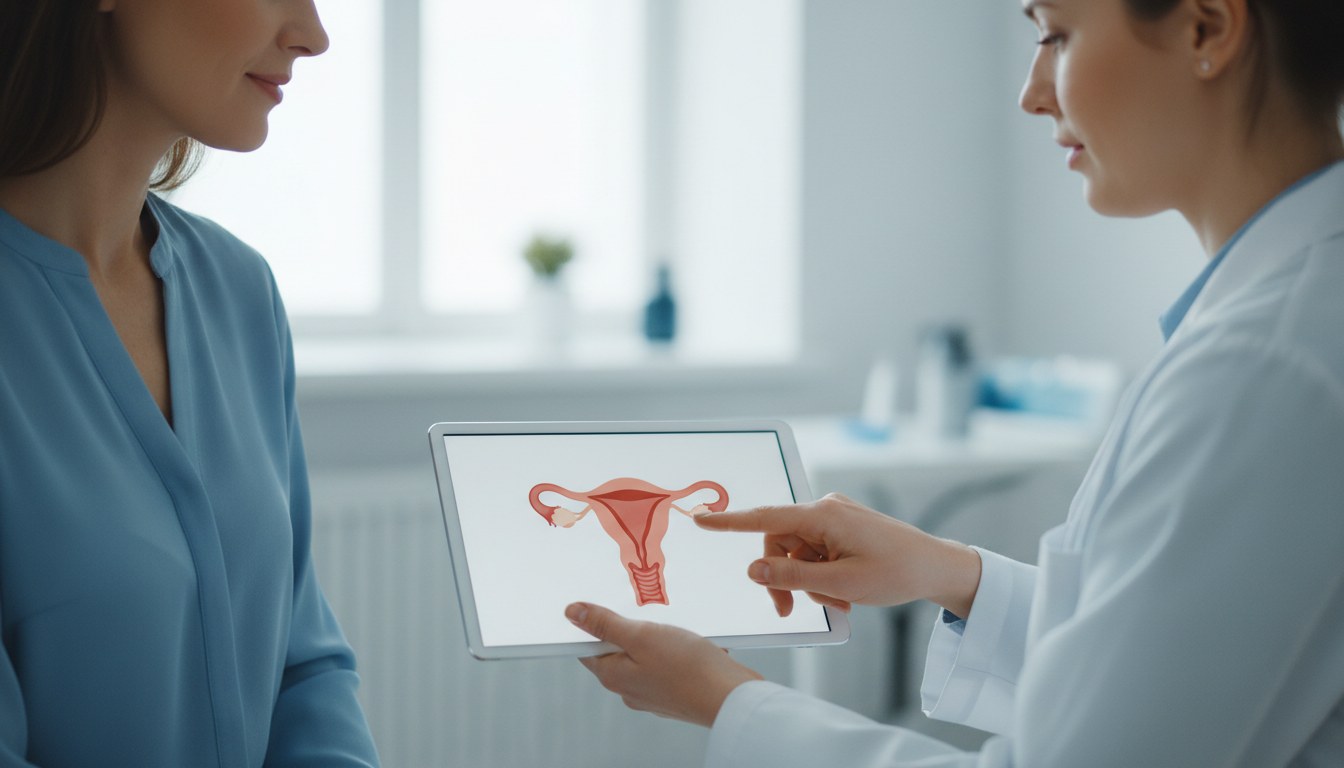
Fibroids are classified by where they sit. Subserosal fibroids grow on the outer surface of the uterus. Intramural fibroids grow within the muscle wall. Submucosal fibroids bulge into the uterine cavity, and this location is often associated with heavier bleeding. Some fibroids hang from a stalk, which is called pedunculated.
Fibroids are considered benign tumors. Cancer arising in the uterine muscle (leiomyosarcoma) is much less common than fibroids, and having fibroids is not thought to be a usual route to it. A single symptom, such as heavy bleeding, does not establish either one. Rapid growth of a known fibroid or any new bleeding after menopause needs prompt evaluation so a clinician can look more closely.
Which uterine fibroid symptoms are most common?
Many fibroids cause no symptoms and are found during a pelvic exam or an imaging test done for another reason. When they do cause symptoms, the pattern depends on size, number and location.
Bleeding changes
- Periods that are heavier than usual, such as soaking through pads or tampons quickly or passing clots
- Periods that last longer than a week
- Bleeding between periods
Bleeding changes have many possible causes, including hormonal conditions, polyps, and thyroid problems. Clinicians combine history, examination and testing to sort them out.
Pressure and pain
- A feeling of fullness or pressure in the lower abdomen
- Pelvic pain or a dull ache, sometimes with painful periods
- Back or leg pain, which may occur when a larger fibroid presses on nearby structures
- Pain during sex in some people
Less commonly, a fibroid can twist on its stalk or outgrow its blood supply, which may cause sudden, severe pain that needs urgent evaluation.
Bladder and bowel effects
A fibroid pressing on the bladder can cause frequent urination or a sense of not emptying fully. Pressure toward the rectum may contribute to constipation or bloating. A swollen lower abdomen can occasionally be noticed from the outside.
Fertility and pregnancy
Some fibroids, especially those that distort the uterine cavity, may be associated with difficulty conceiving or with pregnancy complications. Studies discussed in the fibroid management review have linked fibroids to outcomes such as preterm birth, a baby in a breech position, and cesarean delivery, though many people with fibroids have healthy pregnancies. If you are planning pregnancy, tell your clinician about any known fibroids so they can weigh the location and size.
Heavy periods and low iron
Ongoing heavy bleeding can use up the body's iron stores and may lead to anemia. Fatigue, shortness of breath with ordinary activity, dizziness, pale skin and a racing heart can all be signs. Our article on the early signs of low iron covers those in detail. If you have heavy periods and these symptoms, mention both to your clinician, who can decide whether blood tests are appropriate. If iron is recommended, ask your prescriber or pharmacist about the product and how to take it, and store iron supplements well out of the reach of children, since iron overdose in young children can be dangerous (Poison Control: 1-800-222-1222).
Who gets fibroids, and why?
The exact cause is not fully understood, and several factors appear to contribute. Hormones such as estrogen and progesterone are thought to influence fibroid growth, and fibroids often shrink after menopause. Genetic changes within the fibroid tissue have been described in research, as summarized in a review of epidemiological and genetic clues.
That review describes fibroids as more common during the reproductive years and as more often diagnosed in Black women, often at younger ages and sometimes with more symptoms, though the reasons are not fully understood. A family history can raise concern, but one study of self-reported family history found it was not a reliable marker of high risk, so absence of a known relative does not rule fibroids out.
How are fibroids diagnosed?
Evaluation usually begins with your symptom history and a pelvic exam. A clinician may then suggest:
- Pelvic ultrasound, often the first imaging test, done through the abdomen, the vagina, or both
- MRI, which can show the number, size and location of fibroids in more detail and may be used when planning certain procedures
- Hysteroscopy or saline sonography, which look at the inside of the uterine cavity when submucosal fibroids are suspected
- Blood tests, such as a blood count to look for anemia, and a pregnancy test when relevant
- Endometrial sampling, which may be considered when abnormal bleeding needs further investigation, particularly in older patients
A narrative review of the diagnostic pathway describes how imaging findings help guide the choice between medical and surgical treatment.
Treatment options for uterine fibroids
Treatment depends on symptoms, fibroid size and location, age, and whether you want to keep your uterus or become pregnant in the future. A review of fibroid management outlines the range of approaches. Outcomes vary from person to person, and your clinician can explain which options fit your situation.
Watchful waiting
If fibroids cause few or no symptoms, regular follow-up without active treatment is a common approach. Fibroids may stay the same, grow, or shrink, particularly after menopause.
Medicines
Several medicine types are used. Each product's prescribing label lists its own cautions, which your prescriber or pharmacist can review with you:
- Nonsteroidal anti-inflammatory drugs (NSAIDs) such as ibuprofen may ease pain and can reduce menstrual bleeding in some people. NSAID labels carry cautions about stomach and intestinal bleeding and about kidney and cardiovascular risks. They are not suitable for everyone, for example people with kidney disease, stomach ulcers, or those taking blood thinners, so check with your prescriber or pharmacist before using them regularly.
- Hormonal birth control, including pills and hormonal intrauterine devices, may reduce heavy bleeding. The fibroid management review linked above describes it as aimed at bleeding rather than expected to shrink fibroids. Combined estrogen-containing products carry a boxed warning on their label about cigarette smoking and serious cardiovascular events, and they are associated with a higher risk of blood clots. Tell your clinician if you smoke or have had a clot, and ask your prescriber or pharmacist to review the label with you.
- Tranexamic acid is a non-hormonal prescription option for heavy menstrual bleeding. Its label cautions about blood clots, so tell your prescriber about any history of clots and about any estrogen-containing medicine you use, so they can decide whether it is appropriate.
- GnRH agonists and antagonists (for example leuprolide, elagolix, or relugolix combination products) lower estrogen and may shrink fibroids or reduce bleeding. They can cause menopause-like effects and loss of bone density, so they are generally used for a limited period set by the product label. The estrogen-containing combination products (elagolix with estradiol and norethindrone, relugolix with estradiol and norethindrone) carry a boxed warning about blood clots and vascular events. Your prescriber will review the label, check pregnancy status, and discuss bone and liver monitoring, the length of use, contraception, and any add-back hormone therapy.
Do not change the timing or dose of a prescribed medicine on your own. Ask your prescriber first, and keep any monitoring they have recommended.
Procedures that keep the uterus
- Uterine artery embolization (UAE) blocks blood flow to fibroids. Imaging features of the fibroids can influence how they respond, as discussed in a study of pre-embolization MRI characteristics.
- MR-guided focused ultrasound (MR-HIFU) uses focused sound energy to treat fibroids without an incision. A 12-month follow-up study reported fewer fibroid-related symptoms and better quality of life in the people studied, though it was a single-center study and results may differ elsewhere.
- Myomectomy removes the fibroids and leaves the uterus in place. It may be done through hysteroscopy, laparoscopy, or an open abdominal incision, depending on the fibroids. Fibroids can grow back after myomectomy.
- Endometrial ablation treats the uterine lining to reduce bleeding in selected people who do not plan future pregnancy.
Hysterectomy
Hysterectomy removes the uterus, so fibroids cannot return, but it ends the ability to carry a pregnancy and is major surgery. MedlinePlus explains the types of hysterectomy and what recovery involves. Many people choose it after other options have not helped or when they have completed childbearing.
Fibroid pain or something else?
Pelvic pain and heavy bleeding are not specific to fibroids. Endometriosis, adenomyosis, polyps, ovarian cysts and hormonal conditions can look similar, and more than one can coexist. Our endometriosis article covers one of these. If you are or may be pregnant, pelvic pain with bleeding needs emergency evaluation now, because ectopic pregnancy is one of the causes that must be excluded, and it is covered in our article on its warning signs.
Because the symptoms overlap, a new or changing pattern is worth bringing to a clinician rather than assuming it is a fibroid.
Living with fibroids
- Track your periods for a few cycles, noting how many pads or tampons you use, clots, and any bleeding between periods. This helps your clinician judge how heavy the bleeding is.
- Keep a note of pain, bladder changes, and fatigue.
- Tell your clinician about any plans for pregnancy, since this shapes which treatments are appropriate.
- Tell your clinician if your bleeding is heavy so they can decide whether iron testing is appropriate.
Fibroids often change after menopause, but bleeding after menopause needs evaluation and should not be attributed to fibroids without an exam.
When to Seek Medical Care
When to Seek Urgent or Emergency Care
Most fibroid symptoms are not emergencies, but heavy bleeding and sudden severe pain can occasionally signal a problem that needs care right away. This guidance is in addition to, not a replacement for, the general disclaimer above.
Emergency, call 911 or go to the emergency room immediately if:
- Call 911 or go to the emergency room if heavy bleeding comes with feeling faint, dizzy, confused, a racing heartbeat, or trouble standing.
- Go to the emergency room now if you are soaking through a pad or tampon every hour for 2 or more hours in a row, even if you feel well, because this pattern can reflect significant blood loss.
- Call 911 for fainting or collapse, or for chest pain, sudden shortness of breath, or coughing up blood; these can have several serious causes, including a blood clot in the lung or heavy blood loss.
- Seek emergency care right away for sudden, severe lower abdominal or pelvic pain that is intense, does not ease, and comes with vomiting, fever, or a rigid, very tender belly, which can occur when a fibroid twists or loses its blood supply, among other causes.
- If you are or may be pregnant and have pelvic pain with vaginal bleeding, go to the emergency room now, because ectopic pregnancy is one of the causes that must be excluded.
- Call 911 if you are or may be pregnant and have severe pelvic or abdominal pain with fainting, shoulder-tip pain, or signs of shock, since an ectopic pregnancy can cause life-threatening internal bleeding.
See a doctor soon (same-day or next available appointment) if:
- Seek same-day care if bleeding is rapidly worsening or you are passing large clots, even if you feel well and are not soaking through protection every hour.
- Book the next available appointment if periods are gradually getting heavier or longer than a week, or if you notice tiredness, pale skin, or breathlessness with ordinary activity, which can be signs of anemia.
- Seek same-day medical evaluation for new one-sided leg swelling or pain, especially after recent surgery or a procedure, because it may suggest a blood clot; call 911 if you also have chest pain or sudden breathlessness.
- Contact your clinician soon for any vaginal bleeding after menopause or rapid growth of a known fibroid, because both need evaluation.
- Make an appointment for new difficulty emptying your bladder, ongoing constipation, worsening pelvic pressure or pain, an enlarging abdomen, or fibroids affecting your pregnancy plans.
Frequently Asked Questions
Can uterine fibroids turn into cancer?
Fibroids are noncancerous, and turning into cancer is considered very uncommon. A cancer of the uterine muscle called leiomyosarcoma is much less common than fibroids. Rapid growth, new bleeding after menopause, or changing symptoms are reasons for your clinician to look more closely, though they do not by themselves establish cancer.
Do fibroids go away on their own?
Some fibroids stay the same size, some grow, and some shrink, particularly after menopause when estrogen levels fall. Because behavior varies, clinicians often monitor fibroids that cause few symptoms. If symptoms bother you, treatment options exist, and your clinician can explain which may suit you.
What size is a fibroid considered large?
Clinicians describe fibroids by size and location rather than a fixed cutoff. A small submucosal fibroid inside the uterine cavity can cause heavy bleeding, while a larger one on the outside may cause few symptoms. Your clinician judges the findings along with your symptoms.
Can fibroids cause weight gain or a swollen belly?
Large fibroids can enlarge the uterus and make the lower abdomen look or feel fuller, and some people notice bloating. Fibroids are not a typical explanation for major weight gain on their own. If your abdomen is growing or feels tight, tell your clinician so other causes can be considered.
Can I get pregnant with fibroids?
Many people with fibroids conceive and have healthy pregnancies. Fibroids that distort the uterine cavity may be associated with difficulty conceiving or with pregnancy complications. If you are planning pregnancy, tell your clinician about any known fibroids so they can consider their size and location.
Does having fibroids mean I need a hysterectomy?
No. Many people need no treatment, and several options exist besides hysterectomy, including medicines, uterine artery embolization, focused ultrasound, and myomectomy. The choice depends on symptoms, fibroid features, age, and whether you want to keep your uterus or future fertility. Your clinician can walk through the trade-offs.
Are fibroids hereditary?
A family history is associated with a higher chance of fibroids, and genetic factors are being studied. But a study indexed in PubMed Central, titled "Self-reported family history of leiomyoma: not a reliable marker of high risk," found that self-reported family history does not reliably show who will develop them, so having no known relatives with fibroids does not rule them out.
When are heavy periods from fibroids an emergency?
Heavy bleeding becomes an emergency when it comes with faintness, dizziness, a racing heartbeat, confusion, or collapse. Those symptoms can reflect significant blood loss and call for 911 or the emergency room. Soaking through a pad or tampon every hour for 2 or more hours in a row also calls for the emergency room, even if you feel well.
Related articles
Early Signs of Low Iron (Anemia): What to Watch ForEctopic Pregnancy: What Are the Warning Signs of a Pregnancy Outside the Uterus?Found a Breast Lump: How Likely Is It to Be Cancer?Sources
- MedlinePlus (NIH) - Uterine Fibroids
- MedlinePlus (NIH) - Hysterectomy
- PubMed Central (NIH) - Uterine fibroid management: from the present to the future
- PubMed Central (NIH) - Tailoring the Diagnostic Pathway for Medical and Surgical Treatment of Uterine Fibroids: A Narrative Review
- PubMed Central (NIH) - Epidemiological and genetic clues for molecular mechanisms involved in uterine leiomyoma development and growth
- PubMed Central (NIH) - Predicting the Fibroid-Migratory Impact of UAE: Role of Pre-embolization MRI Characteristics
- PubMed Central (NIH) - Magnetic resonance guided high intensity focused ultrasound (MR-HIFU) effectively reduces fibroid-related symptoms and improves quality of life-A prospective single-centre 12-month follow-up study
- PubMed Central (NIH) - Self-reported family history of leiomyoma: not a reliable marker of high risk