A1C or Glucose Tolerance Test: Which Is Used to Diagnose Diabetes?
Both an A1C test and an oral glucose tolerance test can be used to diagnose diabetes, along with a fasting plasma glucose test. A1C reflects average blood sugar over roughly the past three months and needs no fasting. The glucose tolerance test measures how your body handles a sugar drink.
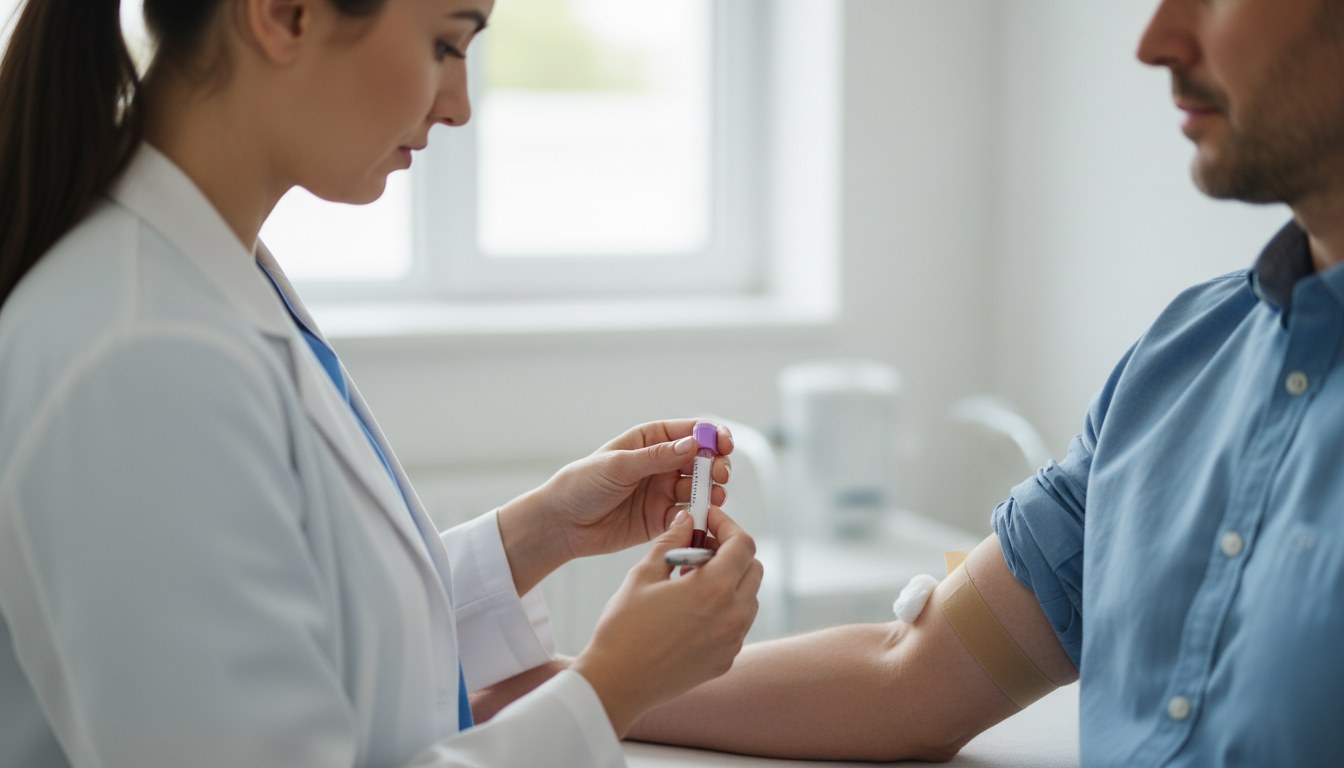
Written By: DocAi Health Editorial Team
Last Updated: 2026-09-29
Both an A1C test and an oral glucose tolerance test can be used to diagnose diabetes, along with a fasting plasma glucose test. A1C reflects average blood sugar over roughly the past three months and needs no fasting. The glucose tolerance test measures how your body handles a sugar drink. This article compares what each test shows, the cutoffs, when one may be a better fit, and which symptoms need urgent care.
A1C or glucose tolerance test: how each one diagnoses diabetes
Diabetes is diagnosed by measuring glucose, the sugar in your blood, in one of several ways. The National Institute of Diabetes and Digestive and Kidney Diseases (NIDDK) lists four options: the A1C test, the fasting plasma glucose test, the oral glucose tolerance test (OGTT), and a random plasma glucose test when symptoms are present. None is the single "right" one for everyone. Clinicians combine your history, symptoms, risk factors and results to decide.
The A1C and the glucose tolerance test answer slightly different questions. A1C looks backward over weeks. The glucose tolerance test looks at a snapshot of how your body responds to a measured sugar load.
What the A1C test measures
Glucose in your bloodstream attaches to hemoglobin, the oxygen-carrying protein inside red blood cells. The A1C result is the percentage of hemoglobin that has glucose attached. Because red blood cells live for a few months, the result reflects average blood sugar over roughly the past two to three months, according to MedlinePlus.
You do not need to fast, and the blood draw can happen at any time of day. That convenience is a major reason A1C is so widely used.
NIDDK describes these ranges for A1C:
- Normal: below 5.7%
- Prediabetes: 5.7% to 6.4%
- Diabetes: 6.5% or higher
If you have a result in the prediabetes range, the related article on an A1C of 5.9 explains what that can suggest.
What the oral glucose tolerance test measures
The OGTT checks how well your body clears sugar from the blood. Typically you fast overnight, have a fasting blood sample drawn, then drink a sweet liquid containing a measured amount of glucose. Blood is drawn again about two hours later. Your clinic will give you its exact instructions, and it is worth following them closely because eating, smoking or heavy activity beforehand can affect results.
NIDDK describes these two-hour ranges:
- Normal: below 140 mg/dL
- Prediabetes: 140 to 199 mg/dL
- Diabetes: 200 mg/dL or higher
The OGTT can pick up problems with how the body handles sugar after a meal, which a fasting sample may miss. That is one reason it is sometimes used when other results are borderline or do not seem to match each other.
The fasting glucose test sits in between
The fasting plasma glucose test measures your blood sugar after at least eight hours without food or caloric drinks. NIDDK lists 126 mg/dL or higher as the diabetes range and 100 to 125 mg/dL as prediabetes. It is quick and inexpensive, and it is the first sample taken during an OGTT. If your fasting number is the one you are worried about, see the related article on high fasting blood glucose.
Comparing the tests side by side
| Feature | A1C | Glucose tolerance test |
|---|---|---|
| What it shows | Average glucose over roughly 2 to 3 months | How your body responds to a sugar drink |
| Fasting needed | No | Yes, overnight |
| Time at the lab | A single blood draw | Roughly two hours or more with repeat draws |
| Diabetes range | 6.5% or higher | 200 mg/dL or higher at two hours |
| Can be affected by | Conditions that change red blood cells | Illness, medicines, not following prep instructions |
When A1C may be less reliable
Because A1C depends on red blood cells, conditions that change their lifespan or hemoglobin can make the number less accurate. Examples include anemia, certain inherited hemoglobin variants such as sickle cell trait, recent significant blood loss or transfusion, advanced kidney disease and pregnancy. A review in PubMed Central, Implications of using hemoglobin A1C for diagnosing diabetes mellitus, discusses some of these limits.
If any of these apply to you, tell your clinician. They may choose a glucose-based test instead, or use both. This is a decision for the person reviewing your whole picture, not something to settle on your own from a lab printout.
When a glucose tolerance test may be chosen
Clinicians may favor glucose-based testing when A1C could be misleading, when an A1C and a fasting glucose disagree, or when the A1C is close to a cutoff. Pregnancy is a separate situation, since gestational diabetes has its own screening approach, covered in the related gestational diabetes article and in MedlinePlus on diabetes and pregnancy.
In many other cases, A1C or a fasting glucose is enough, and the longer OGTT is not needed.
Do you need a second test to confirm?
NIDDK notes that, in general, a diagnosis is confirmed with a repeat test, either the same test on another day or a different test, unless there are clear symptoms with a very high glucose. A single borderline number can be affected by illness, stress or lab variation, so a repeat result helps avoid labeling someone incorrectly. When two different tests both land in the diabetes range, that adds weight to the diagnosis, and your clinician will explain how they read your results.
Type 1, type 2 and other causes of high glucose
These tests show that glucose is high, not why. Type 1 diabetes, where the body makes little or no insulin, can appear quickly with marked thirst, urinary frequency and weight loss, and may be accompanied by a dangerous complication called diabetic ketoacidosis (DKA). More on type 1 is at MedlinePlus: Diabetes Type 1. Type 2 diabetes often develops more gradually and may cause few symptoms at first, as described at MedlinePlus: Diabetes Type 2. In children and teens, the evaluation is led by a pediatric clinician; see MedlinePlus: Diabetes in Children and Teens.
Several factors can raise glucose temporarily, including acute illness, certain medicines and recent steroid use. That is another reason clinicians look at the full context.
Why DKA and very high glucose with illness are emergencies
When the body lacks enough insulin, it can break down fat for fuel and produce acids called ketones. In DKA, these build up and can cause nausea, vomiting, abdominal pain, fast deep breathing, a fruity breath odor, confusion and drowsiness. A related emergency, hyperosmolar hyperglycemic state, can occur with very high glucose and dehydration and may cause confusion and difficulty staying awake. Both can progress quickly and need emergency care. A glucose number alone is not the deciding factor; the symptoms are.
Fainting, a seizure or trouble staying awake while having a glucose test or during illness also need emergency evaluation, since several causes, including low or very high blood sugar, are possible.
Preparing for either test
- Ask the clinic whether you need to fast and for how long. For an OGTT, they will give specific instructions.
- Tell your clinician about all medicines and supplements, since some can affect glucose results. Do not change a prescription on your own.
- Mention recent illness, surgery, blood loss or transfusion, and any known blood disorders.
- For the OGTT, plan to stay at the clinic or lab and bring something to read. Some people feel nauseated after the sugar drink. Tell the staff if you feel faint or unwell.
What happens after a diagnosis or a borderline result
If your results fall in the prediabetes range, a clinician may discuss lifestyle changes and repeat testing over time; see MedlinePlus: Prediabetes. If you are diagnosed with diabetes, your clinician will talk through treatment, monitoring and checks for complications such as kidney, eye and nerve changes. The related article on the urine albumin-to-creatinine ratio explains one common kidney check.
Rarely, high urine output and thirst come from conditions other than diabetes mellitus, such as diabetes insipidus, which is a different problem and is much less common. One symptom alone does not establish it, and glucose testing helps clinicians sort the possibilities.
When to Seek Medical Care
When to Seek Urgent or Emergency Care
High blood sugar from diabetes can become a medical emergency when it is paired with certain symptoms; the number alone does not decide it. Use the lists below to choose between calling 911 and arranging prompt care. This guidance is in addition to, not a replacement for, the general disclaimer above.
Emergency, call 911 or go to the emergency room immediately if:
- Call 911 for confusion, extreme drowsiness or difficulty staying awake along with high blood sugar or recent illness, which can signal a dangerous complication.
- Call 911 for vomiting with abdominal pain, fast deep breathing and a fruity breath odor, which can be signs of diabetic ketoacidosis.
- Call 911 if someone has a seizure or does not wake up normally, whether or not a glucose reading is available.
- Call 911 for fainting that does not clear quickly, or for stroke signs such as face drooping, arm weakness or slurred speech, even if low blood sugar seems possible.
See a doctor soon (same-day or next available appointment) if:
- Contact a clinician the same day if you have strong thirst, frequent urination and unexplained weight loss, which can be early signs of diabetes that needs evaluation.
- Seek same-day care if you cannot keep fluids down after the glucose drink or during an illness, since dehydration can raise blood sugar problems.
- Arrange prompt care if you notice blurred vision, repeated infections or slow-healing sores along with a high test result.
- Schedule the next available visit to repeat or confirm a result in the diabetes or prediabetes range, and to discuss next steps.
- Let your clinician know promptly if you are pregnant and have a high glucose result or symptoms, since pregnancy has its own testing and care plan.
Frequently Asked Questions
Is A1C or a glucose tolerance test better for diagnosing diabetes?
Neither is better for every person. A1C is convenient because it needs no fasting and reflects roughly the past few months. The glucose tolerance test shows how your body handles a sugar load and may be chosen when A1C could be unreliable. Your clinician weighs your history, symptoms and other results to decide which test fits.
What A1C level is considered diabetes?
NIDDK describes an A1C of 6.5% or higher as in the diabetes range, and 5.7% to 6.4% as prediabetes. Diagnosis usually involves a repeat test or a second type of test, unless there are clear symptoms with a very high glucose. Your clinician interprets the number alongside your overall health.
Do I have to fast for an A1C test?
No. A1C reflects average blood sugar over roughly two to three months, so a recent meal does not usually change it. A glucose tolerance test and a fasting plasma glucose test do require fasting, so follow your clinic's instructions about when to stop eating and drinking before those tests.
Can my A1C be wrong?
It can be less accurate in some situations. Anemia, inherited hemoglobin variants such as sickle cell trait, recent blood loss or transfusion, advanced kidney disease and pregnancy can all affect the result. Tell your clinician about these conditions so they can decide whether a glucose-based test would give a clearer picture.
How long does a glucose tolerance test take?
The standard test involves a fasting blood draw, a sugar drink, and another draw about two hours later, so plan for a couple of hours at the lab. Your clinic may use a slightly different schedule, so check their instructions. Bring something to read, and tell staff if you feel dizzy or sick.
What are the diabetes numbers on a glucose tolerance test?
NIDDK describes a two-hour result of 200 mg/dL or higher as in the diabetes range and 140 to 199 mg/dL as prediabetes. Below 140 mg/dL is considered normal. Your clinician looks at these results with your symptoms and other tests, and may repeat testing to confirm.
Can one high result diagnose diabetes?
Often a second result is used to confirm it. NIDDK notes that confirmation typically comes from repeating the test or using another test, unless symptoms are clear and glucose is very high. Illness, stress and lab variation can affect a single reading, so a repeat helps avoid an incorrect label.
Is testing different during pregnancy?
Yes. Gestational diabetes has its own screening and diagnostic approach, and A1C is less reliable in pregnancy. If you are pregnant, your obstetric clinician will explain which tests to use and when. The blog's gestational diabetes article covers this in more detail.
Related articles
What Does an A1C of 5.9 in the Prediabetes Range Mean?High Fasting Blood Glucose: What It Can IndicateUrine Albumin-to-Creatinine Ratio: Why People With Diabetes Get This TestSources
- NIDDK (NIH) - Diagnosis of Diabetes and Prediabetes
- MedlinePlus (NIH) - Blood Glucose
- MedlinePlus (NIH) - Diabetes
- MedlinePlus (NIH) - Prediabetes
- MedlinePlus (NIH) - Diabetes and Pregnancy
- PubMed Central (NIH) - Implications of using hemoglobin A1C for diagnosing diabetes mellitus