Why Is Low Blood Sugar More Dangerous for Older Adults With Diabetes?
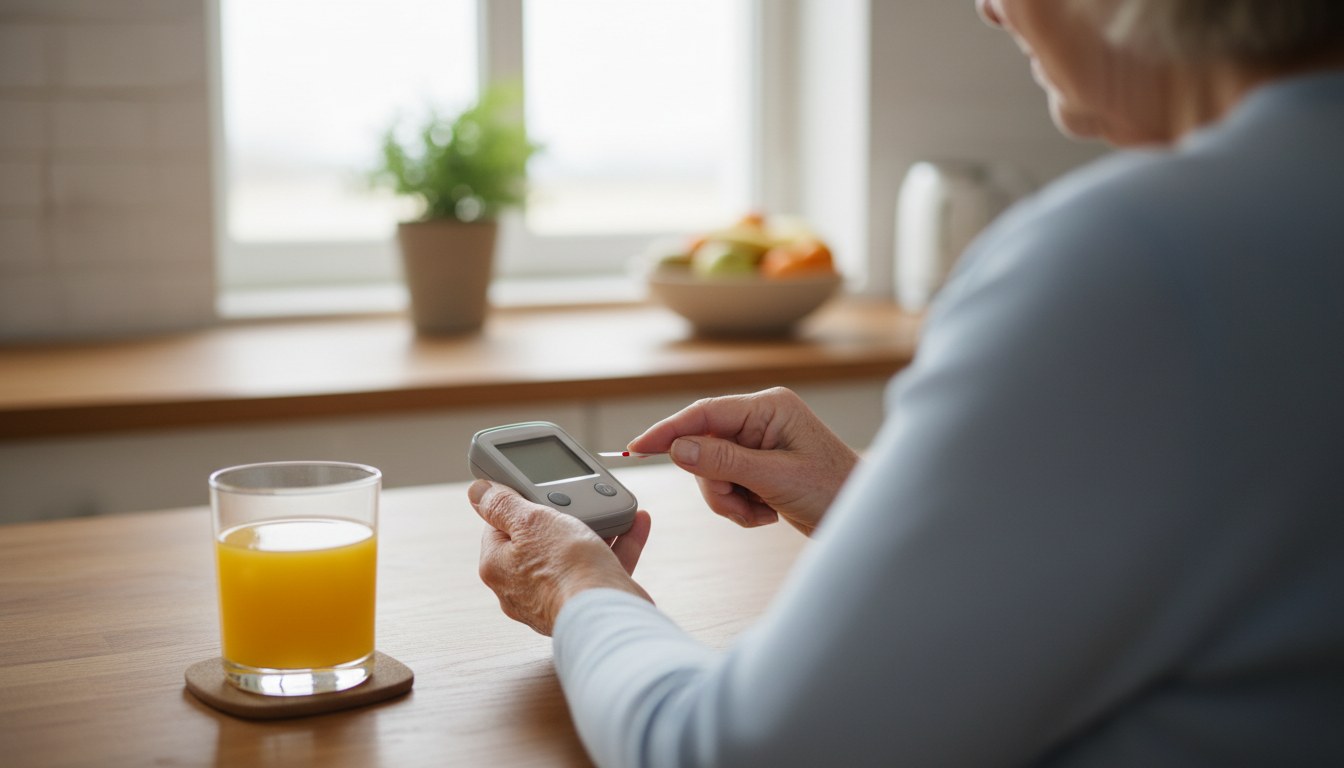
Older adults with diabetes are at increased risk of hypoglycemia, or low blood sugar, for several reasons, including changes in kidney function, irregular food intake, cognitive or functional changes, certain medications, and reduced awareness of low-glucose symptoms in some people.
Senior HealthDiabetes Managementwhen-to-worry
Written By: DocAi Health Editorial Team
Last Updated: 2026-09-30
Last Updated: 2026-09-30
Medical Disclaimer: This article is for general informational and educational purposes only and is not medical advice. It does not create a doctor-patient relationship and is not a substitute for professional diagnosis or treatment by a qualified healthcare provider. Never disregard or delay seeking professional medical advice because of something you have read here. If you think you may have a medical emergency, call 911 or your local emergency number right away. Health information can change and this guidance is general and US-focused, so consult a licensed clinician in your own country about your specific situation.
Older adults with diabetes are at increased risk of hypoglycemia, or low blood sugar, for several reasons, including changes in kidney function, irregular food intake, cognitive or functional changes, certain medications, and reduced awareness of low-glucose symptoms in some people. In an older adult, a low can lead to falls, confusion, or strain on the heart, and some lows become medical emergencies. This article explains why the risk rises with age, which medications matter most, and when a low needs urgent care.
Hypoglycemia is a recognized complication of treatment with insulin and certain glucose-lowering medications. What changes with age is the setting around the low: whether the person feels it coming, how the heart and brain tolerate the drop, and how long it takes the body to recover. Understanding those differences helps an older adult and their family manage diabetes care more safely.
How Aging Changes Your Warning System for Low Blood Sugar
When blood sugar drops, a healthy body responds by releasing hormones such as adrenaline, and that release is what produces the classic warning signs: shakiness, sweating, a racing heart, and sudden hunger. In some people, especially after many years of living with diabetes or repeated lows, and more often with age, this hormone response weakens. Clinicians call the result impaired hypoglycemia awareness, or hypoglycemia unawareness. Instead of getting a clear signal around 70 mg/dL, a person may not notice anything is wrong until blood sugar has already fallen well below that level, sometimes not until confusion, slurred speech, or weakness sets in. Left untreated, a severe low can progress to seizures or loss of consciousness, which is why unawareness can turn a manageable low into a medical emergency for some older adults. Signs Your Blood Sugar Is Dropping Too Low lists the everyday warning signs.
Nights can be especially risky. A low during sleep can pass with no symptoms beyond a headache or unusually deep sleep, and no one may be awake to notice the early signs. An older adult who lives alone is at particular risk of a low going unwitnessed and untreated. A continuous glucose monitor (CGM) with an alarm, discussed further below, can catch a low the body itself no longer announces. Lows that keep recurring, become more frequent, come without warning symptoms, or have no obvious trigger are worth a prompt call to the doctor rather than something to wait out.
Which Medications Raise the Risk Most
Not every diabetes medication carries the same risk. Insulin, sulfonylureas (a class of pills that includes glipizide, glyburide, and glimepiride), and meglitinides (repaglinide and nateglinide) are among the diabetes treatments most associated with hypoglycemia. Among sulfonylureas, the American Diabetes Association (ADA) Standards of Care describe glyburide as a longer-acting sulfonylurea with multiple active metabolites that should be avoided in older adults because of its hypoglycemia risk. If you take glyburide, ask the prescriber whether it is still the right choice, and do not stop or change it on your own. Other diabetes medications, such as metformin, are less likely to cause hypoglycemia on their own, though they can add to the effect when combined with insulin or a sulfonylurea.
Older adults are also more likely to be taking several medications at once for other conditions, and some of those interact with diabetes treatment in ways that are easy to miss. Beta blockers, prescribed for blood pressure or heart rhythm, can blunt the shakiness and racing heart that would otherwise be an early warning sign. If a diabetes medication dose was set years ago and appetite, weight, or kidney function has changed since, that dose may no longer fit. A pharmacist or doctor can review the full medication list and check whether a lower dose, a different medication, or a change in timing would lower the risk without letting blood sugar run too high. Bring the whole list to that review, and leave any change to the prescriber. Insulin Therapy: Types, Dosing Safety, Storage and Side Effects covers insulin in more detail.
Why a Low Hits an Aging Heart Harder
A drop in blood sugar prompts a release of stress hormones that make the heart beat faster and work harder. That response is part of how the body tries to correct the low, and it places stress on the cardiovascular system and can provoke palpitations or rhythm disturbances. The ADA Standards of Care note that severe hypoglycemia is associated with cardiovascular events, and coronary artery disease becomes more common with age and with long-standing diabetes.
Chest pain, an irregular heartbeat, or shortness of breath that starts during or shortly after a low blood sugar episode should not be waited out. It needs emergency care, even if the blood sugar reading itself has already come back up. A racing or pounding heartbeat on its own is a common sign of the low itself; if it does not settle once the low has been treated, get emergency care.
When Low Blood Sugar Looks Like a Stroke or Dementia
The brain depends heavily on glucose, so when blood sugar falls, thinking slows first. In an older adult, a low blood sugar episode can look like a stroke, with sudden confusion, slurred speech, or weakness on one side of the body. It can also look like a sudden worsening of dementia, especially in someone who already has memory problems.
Family members and caregivers sometimes assume a confused moment is just a bad day, particularly if the person has been forgetful before. A low and a stroke can look alike from the outside, and stroke-like signs should not be watched and waited on. If sudden confusion with no known cause, sudden one-sided weakness, facial droop, new speech difficulty, or other stroke-like symptoms occur, call 911 right away, as MedlinePlus advises for any suspected stroke. Check glucose if it can be done right away without delaying emergency care, and treat a confirmed low at the same time if the person can swallow safely. If the person is only mildly confused and the reading is low, treat the low as described below, and call 911 if the confusion or drowsiness is severe or has not improved at the recheck after treatment.
New or worsening forgetfulness that family notices over time, separate from any single episode, is also worth mentioning to a doctor, since repeated unnoticed lows are one possible explanation among several. Treating a confused episode as a possible emergency costs little; missing an actual stroke while waiting to see if it passes can cost a great deal.
Falls, Fractures, and the Chain of Events That Follows
The dizziness, weakness, and confusion that come with a low blood sugar episode make a fall more likely, and bones that have thinned with age break more easily than younger bones do. A hip fracture in an older adult often leads to surgery, a long hospital stay, and for some, a lasting loss of independence. How to Prevent Falls at Home for Older Adults offers practical steps.
A fall or near-fall that happens during or shortly after a low blood sugar episode is a signal that the current treatment plan needs a second look, even if the person seems fine once blood sugar is back to normal. The same is true for any low blood sugar episode that happened with no clear cause, such as no missed meal, no extra activity, and no recent medication change.
Kidney Function Changes How Long a Low Lasts
Insulin and several diabetes pills are cleared from the body by the kidneys. Kidney function can decline with age and with diabetes, sometimes well before it shows up as a diagnosed kidney condition, and reduced kidney function can prolong the effects of insulin or certain glucose-lowering medications. The National Kidney Foundation notes that diseased kidneys break down less insulin, and the ADA Standards of Care list worsening kidney function among the reasons older adults are at higher risk of hypoglycemia.
When the kidneys clear medication more slowly, the same dose that was safe for years can build up in the body, and a low blood sugar episode can last longer or come back after it seems to have resolved. This is one reason a diabetes medication dose is not a one-time decision. It deserves a fresh look whenever kidney function, weight, or appetite changes, and a routine kidney function blood test is a normal part of that review.
Everyday Patterns That Raise the Risk
Beyond medication and biology, daily habits matter. Appetite often decreases with age, and a smaller meal than usual, paired with a diabetes medication dose set for a bigger appetite, is a common setup for a low blood sugar episode. Illness, especially one that reduces eating or causes vomiting, has a similar effect, since the medication dose stays the same while food intake drops.
Alcohol makes it harder for the body to keep blood sugar steady, especially without food, and it can keep a person from feeling the first symptoms of a low. The NIDDK notes that it is safer to eat some food at the same time. Skipping or delaying a meal after taking insulin or a sulfonylurea is a preventable cause of a dangerous low, and the care team can say whether extra glucose checks before a smaller or later meal make sense.
Lowering the Risk Without Overcorrecting
Many clinicians now recommend a somewhat less strict blood sugar target for older adults, particularly those with other health conditions or a more limited life expectancy, because the danger from a severe low can outweigh the long-term benefit of very tight control. The ADA Standards of Care take the same approach, matching goals to health status and, for people in very poor health, basing decisions on avoiding hypoglycemia and symptomatic high blood sugar. The right target should fit the individual person, based on overall health, other medications, and how reliably low blood sugar is noticed and treated.
A few practical steps lower the risk without requiring a complete overhaul. A continuous glucose monitor (CGM) with a low alarm is especially useful for anyone who no longer feels the early symptoms of a low, and the ADA recommends CGM for older adults with type 1 diabetes and for older adults with type 2 diabetes who use insulin, in part to reduce hypoglycemia. Keeping fast-acting sugar, such as glucose tablets or juice, within reach helps for a mild low, and a medical alert bracelet helps first responders act quickly if no one else is present.
The 15-15 rule is for a person who is awake, alert enough to self-treat, and able to swallow safely: take 15 grams of fast-acting sugar, wait 15 minutes, and recheck blood sugar, repeating the treatment if it is still low.
If the person is unconscious, having a seizure, severely confused, or unable to swallow safely, do not give food, juice, glucose tablets, or any other oral treatment. Call 911, and give glucagon if it is available. A prescribed glucagon kit, an injected or nasal medication that raises blood sugar quickly, is the right tool when someone cannot safely eat or drink. The ADA advises that people who take insulin or are at high risk for hypoglycemia be prescribed glucagon, and that family and caregivers know where it is and how to use it, which closes the gap for the times symptoms do not appear in time. Call 911 whenever glucagon is given. After any low that needed another person's help, tell the doctor even after a full recovery, since it suggests the low was severe enough that the treatment plan needs a review.
When to Seek Medical Care
When to Seek Urgent or Emergency Care
Low blood sugar in an older adult with diabetes can escalate from mild shakiness to confusion or unconsciousness, especially when hypoglycemia unawareness is present. This guidance is in addition to, not a replacement for, the general disclaimer above.
Emergency, call 911 or go to the emergency room immediately if:
- The person cannot be woken up or has lost consciousness
- A seizure or convulsion occurs with the low blood sugar
- The person cannot safely swallow or keep down fast-acting sugar such as juice or glucose tablets, so nothing can be given by mouth
- Glucagon has been given, or is needed and no glucagon kit is available
- Sudden confusion with no known cause, or new slurred speech, weakness on one side of the body, facial droop, or other stroke-like symptoms appear, even if blood sugar is low
- Chest pain, an irregular heartbeat, or shortness of breath starts during or right after a low blood sugar episode, or a pounding heartbeat does not settle once the low has been treated
- Confusion or drowsiness is severe, or has not improved at the recheck after treatment with fast-acting sugar
See a doctor soon (same-day or next available appointment) if:
- Low blood sugar episodes are recurring, becoming more frequent, or occurring without warning symptoms, even if each one resolved on its own
- A fall, stumble, or near-fall happens during or shortly after a low
- A low was severe enough that another person had to help treat it, even if the person recovered fully
- A low blood sugar episode happens with no clear cause, such as no missed meal, no extra activity, and no recent medication change
- Family notices new or worsening forgetfulness, slower thinking, or a personality change, separate from any single low blood sugar episode
- A recent illness, reduced appetite, or weight loss has not yet been matched with a review of diabetes medication doses
Frequently Asked Questions
What blood sugar level counts as dangerously low for an older adult?
For most adults, glucose below 70 mg/dL is considered low. A reading below 54 mg/dL is classified as level 2 hypoglycemia and requires immediate treatment. Severe, or level 3, hypoglycemia is defined by the person needing assistance because of altered mental or physical functioning, regardless of the glucose reading. Targets vary from person to person, so ask your doctor what number should prompt treatment for you.
Why don't I feel the warning signs of low blood sugar anymore?
In some people, long-standing diabetes, repeated lows, and aging can blunt the hormone response that normally produces shakiness, sweating, and a racing heart when blood sugar drops. Clinicians call this hypoglycemia unawareness. Certain medications, such as beta blockers, can mask these signs even further. As a result, blood sugar may fall lower, or someone else may have to notice confusion, before the problem gets caught. A CGM with a low alarm can help.
Can low blood sugar cause confusion that looks like dementia or a stroke?
Yes. The brain depends on a steady glucose supply, and a sharp drop can cause confusion, slurred speech, or weakness on one side of the body that can look like a stroke or a sudden decline in someone with dementia. Because the two can be hard to tell apart, call 911 right away for stroke-like symptoms. Check glucose only if it can be done right away without delaying emergency care, and treat a confirmed low if the person can swallow safely.
Which diabetes medications cause the most low blood sugar in older adults?
Insulin, sulfonylurea pills (such as glipizide, glyburide, and glimepiride), and meglitinides are among the treatments most associated with hypoglycemia. Glyburide is generally avoided in older adults because its longer action and active metabolites increase the risk of prolonged lows. The effects of these medications can last longer when kidney function is reduced. A pharmacist or doctor can review whether a different medication or dose would fit better; do not change one on your own.
Is tighter blood sugar control always better for an older adult with diabetes?
Not always. Many clinicians now favor a somewhat looser target for older adults, especially those with other health conditions or a shorter life expectancy, because the danger from a severe low can outweigh the long-term benefit of very tight control. The right target depends on overall health, other medications, and how reliably low blood sugar is recognized and treated.
What should I do if my elderly parent is confused and their blood sugar is low?
If they are awake and can swallow safely, give 15 grams of fast-acting sugar, such as juice or glucose tablets, then recheck blood sugar in 15 minutes and repeat if it is still low. Call 911 if the confusion has not improved at that recheck. If they are unconscious, having a seizure, severely confused, or unable to swallow safely, do not give anything by mouth. Give glucagon if you have it and know how to use it, and call 911. Call 911 right away for stroke-like symptoms too.
Can low blood sugar cause a fall or a broken bone?
Yes. The dizziness, weakness, and confusion that come with a low blood sugar episode raise the risk of a fall, and older bones fracture more easily than younger ones. A hip fracture in particular can lead to a long recovery and a real loss of independence, so a fall linked to a low is worth a prompt call to the doctor.
Does kidney disease make low blood sugar more dangerous?
It can. Insulin and several diabetes pills are cleared from the body by the kidneys, and kidney function can decline with age and with diabetes, sometimes before kidney disease is diagnosed. When clearance slows, the same dose that was safe before can act for longer and cause a longer low, which is one reason doses need regular review as kidney function changes.
Related articles
Understanding Polypharmacy in Older Adults: Risks and SolutionsWhy Do Older Adults Get Dizzy When Standing Up?Why a UTI Can Cause Confusion in Elderly AdultsSources
- American Diabetes Association - 6. Glycemic Goals, Hypoglycemia, and Hyperglycemic Crises: Standards of Care in Diabetes-2026
- American Diabetes Association - 13. Older Adults: Standards of Care in Diabetes-2026
- MedlinePlus (NIH) - Hypoglycemia
- MedlinePlus (NIH) - Low blood sugar - self-care
- MedlinePlus (NIH) - Stroke
- NIDDK (NIH) - Low Blood Glucose (Hypoglycemia)
- National Institute on Aging (NIH) - Diabetes in Older People
- National Kidney Foundation - Diabetes - A Major Risk Factor for Kidney Disease