Insulin Therapy: Types, Dosing Safety, Storage and Side Effects
Insulin therapy replaces or supplements the hormone your pancreas can no longer make enough of, and it is the core treatment for type 1 diabetes and for many people with type 2 diabetes whose blood sugar is not controlled by pills alone.
MedicationsDiabetes Injectable Therapymedication
Written By: DocAi Health Editorial Team
Last Updated: 2026-09-01
Last Updated: 2026-09-01
Medical Disclaimer: This article is for general informational and educational purposes only and is not medical advice. It does not create a doctor-patient relationship and is not a substitute for professional diagnosis or treatment by a qualified healthcare provider. Never disregard or delay seeking professional medical advice because of something you have read here. If you think you may have a medical emergency, call 911 or your local emergency number right away. Health information can change and this guidance is general and US-focused, so consult a licensed clinician in your own country about your specific situation.
Insulin therapy replaces or supplements the hormone your pancreas can no longer make enough of, and it is the core treatment for type 1 diabetes and for many people with type 2 diabetes whose blood sugar is not controlled by pills alone. The types differ mainly in how fast they start working and how long they last, and matching the right type to your meals, activity, and sleep schedule is what keeps blood sugar steady. Used correctly, insulin is safe and predictable. Used carelessly, wrong dose, wrong timing, or poor storage, it can cause dangerous blood sugar swings in either direction. This article covers the main insulin types, how to store and inject it correctly, and the mistakes that cause the most trouble.
How Insulin Works in the Body
In someone without diabetes, the pancreas releases insulin continuously in small amounts and then in a larger burst after meals, moving glucose out of the bloodstream and into cells for energy. In type 1 diabetes, the immune system destroys the cells that make insulin, so the body makes little or none. In type 2 diabetes, the body still makes insulin but cells respond to it poorly, a state called insulin resistance, and over time the pancreas often cannot keep up with the demand. Insulin therapy is designed to mimic that natural pattern: a steady background level plus larger doses around meals.
The Main Types of Insulin
Insulins are grouped by how quickly they act and how long the effect lasts. Most people on insulin therapy use a combination of two types, one for background coverage and one for meals, though some regimens use a single premixed product. Onset, peak, and duration vary by insulin product and individual response. Always follow the prescribing information for the specific insulin being used.
Rapid-Acting Insulin
Rapid-acting insulins (insulin lispro, aspart, glulisine, and newer ultra-rapid formulations) generally start lowering blood sugar within 10 to 20 minutes, peak around 1 to 2 hours, and finish working in about 3 to 5 hours. These are taken right before or just after a meal to cover the rise in blood sugar from food. Because they act fast, timing them too far ahead of eating, or skipping the meal after dosing, is a common cause of low blood sugar.
Short-Acting (Regular) Insulin
Regular insulin starts working in 30 minutes to an hour, peaks around 2 to 4 hours, and lasts 6 to 8 hours. It is older than the rapid-acting analogs and requires more advance planning, typically injected 30 minutes before eating, and is still used in some hospital and outpatient regimens.
Intermediate-Acting Insulin
NPH insulin has a cloudy appearance and needs to be gently rolled, not shaken, to mix evenly before each dose. It starts working in 1 to 2 hours, peaks at 4 to 12 hours, and lasts up to 18 hours. The pronounced peak means it carries a real risk of low blood sugar several hours after injection, often overnight if taken at dinner, so meal and snack timing around it matters.
Long-Acting and Ultra-Long-Acting Insulin
Long- and ultra-long-acting insulins provide basal coverage with duration that varies substantially by product. Some are used once daily, while others may require individualized dosing schedules. Because they lack a sharp peak, they carry a lower but not zero risk of causing low blood sugar compared with NPH.
Premixed Insulin
Premixed products combine a rapid- or short-acting insulin with an intermediate-acting one in a fixed ratio, given twice daily before breakfast and dinner. They simplify dosing to fewer injections but offer less flexibility, since the ratio between the two components cannot be adjusted separately for a given day's meals or activity.
Insulin Delivery Devices
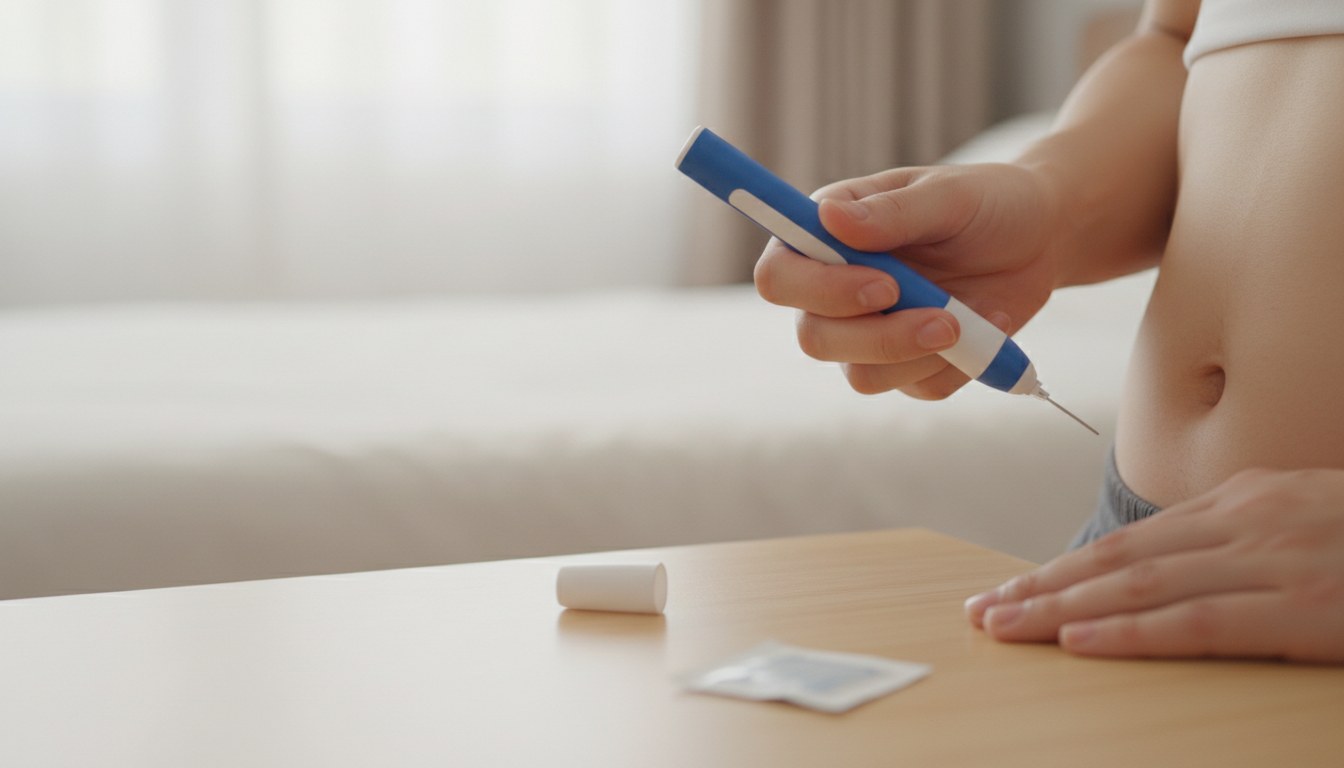
Most people inject insulin using a prefilled or reusable insulin pen, which is easier to dose accurately than drawing insulin from a vial with a syringe. Insulin pumps deliver rapid-acting insulin continuously through a small tube or patch under the skin, adjusting the background rate and allowing meal doses through the device instead of a separate injection. Vials and syringes are still used, particularly for mixing insulins or for cost reasons, and remain a reliable option when used correctly.
Where and How to Inject
Insulin is injected into the fatty tissue just under the skin, not into muscle. Injection technique depends on needle length, body composition, and injection site. Modern short pen needles are often used at 90 degrees, but some people may need a skin fold or different technique. A diabetes educator or clinician can confirm the appropriate method. The abdomen, the outer thigh, the back of the upper arm, and the upper buttock are the standard sites. Absorption can vary by injection site, activity, temperature, and individual factors. Consistency within the recommended sites and regular site rotation are important.
Rotate the exact injection point within a site every time, keeping injections at least an inch apart and away from scars, moles, or the same one-inch spot used recently. Repeatedly injecting the same small patch of skin causes lipohypertrophy, a lump of thickened fatty tissue under the surface that looks and feels like a firm bump. Insulin absorbed through lipohypertrophy is erratic and unpredictable, which is a common, under-recognized cause of blood sugar that will not behave despite an unchanged dose.
Storing Insulin Correctly
Unopened insulin belongs in the refrigerator, between about 36°F and 46°F (2°C to 8°C), and is good until the expiration date printed on the box. Once a pen or vial is in use, it can usually be kept at room temperature, below about 86°F (30°C) and away from direct sunlight or a hot car, and most opened insulins remain effective for 28 to 42 days depending on the specific product, after which they should be discarded even if some remains. Insulin that has frozen, even briefly, should be thrown out, since freezing damages the protein structure and the insulin will not work reliably even after thawing. The exact room-temperature storage period varies by product, so always check the manufacturer's labeling for the specific insulin.
Timing Insulin With Meals and Activity
Meal timing differs by insulin formulation; follow the specific product instructions and the dosing plan provided by the prescribing clinician. Skipping or delaying a meal after dosing rapid-acting insulin is one of the most common causes of low blood sugar in people newly started on insulin. Exercise increases how quickly muscles take up glucose and can lower blood sugar for hours afterward, so many people need to adjust their insulin dose or eat a small carbohydrate snack around a workout, a pattern best worked out with a diabetes educator or prescribing clinician rather than guessed at.
Recognizing and Treating Low Blood Sugar
Hypoglycemia, a blood sugar below about 70 mg/dL, is the most common risk of insulin therapy and can develop quickly. Early signs include shakiness, sweating, a fast heartbeat, hunger, and irritability. The standard treatment is the 15-15 rule: eat or drink 15 grams of fast-acting carbohydrate, such as glucose tablets, regular soda, or juice, wait 15 minutes, and recheck blood sugar, repeating if it is still low. Do not give food or drink by mouth to someone who is unconscious, having a seizure, severely confused, or unable to swallow safely. Use glucagon if available and call emergency services. Anyone on insulin should carry a fast-acting carbohydrate source at all times and make sure people they live with or work with know the signs and where their supplies are kept.
Sick Days and Blood Sugar Swings
Illness, fever, and infection raise blood sugar even when you are eating less, because stress hormones released during illness work against insulin. People with type 1 diabetes generally still require basal insulin during illness. Follow the individual sick-day plan and contact the diabetes care team when unsure. Ask your care team in advance for a written sick-day plan that covers how often to check blood sugar and ketones, when to adjust doses, and when to call.
Common Safety Mistakes
Mixing up which insulin is which, especially when both a rapid-acting and a long-acting pen look similar, is a frequent and preventable error; labeling pens or storing them in different, consistent spots reduces the risk. Pen needles and syringes are intended for single use. Reuse can dull or deform the needle and may increase injection-site problems. Sharing pens between people, even with a new needle each time, can transmit bloodborne infections through insulin that flows back into the pen cartridge during injection, and pens should never be shared. Injecting into scar tissue or lipohypertrophy, described above, leads to unpredictable absorption that looks like the insulin dose is wrong when the real problem is the injection site.
Traveling With Insulin
Insulin can go through airport security and does not need to be checked; as a best practice, carry it in original labeled packaging along with your prescription or a pharmacy label, and keep it in a carry-on rather than checked luggage where cargo holds can freeze. A small insulated bag without direct ice contact keeps insulin within its safe temperature range on a hot day. Pack more insulin and supplies than you expect to need, since replacing a specific insulin type can be difficult in an unfamiliar place.
When to Seek Medical Care
When to Seek Urgent or Emergency Care
Insulin's two big risks are dangerously low blood sugar and, in type 1 diabetes, dangerously high blood sugar with ketone buildup. Both can escalate quickly and both have recognizable warning signs. This guidance is in addition to, not a replacement for, the general disclaimer above.
Emergency, call 911 or go to the emergency room immediately if:
- Someone on insulin is confused, extremely drowsy, having a seizure, or cannot be woken up, this can be severe hypoglycemia and needs immediate treatment.
- Severe hypoglycemia with unconsciousness, seizure, severe confusion, or inability to swallow is an emergency. Give glucagon if available and call 911; do not delay emergency help while waiting to see whether the person improves.
- There is rapid, deep breathing, fruity-smelling breath, persistent vomiting, and high blood sugar or ketones, these are signs of diabetic ketoacidosis.
- Severe abdominal pain develops along with high blood sugar and vomiting that will not stop.
- Very high blood glucose together with moderate or high ketones, persistent vomiting, rapid or deep breathing, confusion, severe dehydration, or inability to keep fluids down requires urgent or emergency evaluation according to the person's diabetes sick-day plan.
See a doctor soon (same-day or next available appointment) if:
- Low blood sugar episodes are happening several times a week, even if each one resolves on its own with treatment.
- Blood sugar has been consistently high for more than a day or two despite taking insulin as prescribed.
- You notice a firm lump, dimpling, or thickened patch of skin at an injection site that was not there before.
- You are sick with a fever, vomiting, or diarrhea and are unsure how to adjust your insulin dose.
- You run out of a specific insulin type or find your usual prescription unavailable at the pharmacy.
Frequently Asked Questions
Can insulin be taken as a pill instead of an injection?
No, insulin is a protein that stomach acid and digestive enzymes break down before it can reach the bloodstream, so it has to be injected or, for one inhaled rapid-acting product, breathed in through the lungs. Researchers have worked on oral formulations for decades, but none are currently available for routine use.
How long can an opened insulin pen be used before throwing it away?
Most opened pens are good for 28 to 42 days at room temperature depending on the specific insulin, even if the pen is not empty yet. Check the package insert for your exact product, write the date you opened it on the pen with a marker, and discard it once that window passes.
What happens if I accidentally take too much insulin?
If you take substantially more insulin than intended or inject the wrong insulin, contact your diabetes care team, Poison Control, or emergency services promptly for individualized guidance. Monitor glucose closely and treat low glucose if you are awake and able to swallow. Severe symptoms, unconsciousness, seizure, or inability to swallow require glucagon if available and emergency care.
Is it safe to drink alcohol while on insulin?
Alcohol can increase the risk of delayed hypoglycemia, particularly when consumed without food. Discuss safe alcohol use and any insulin adjustments with your diabetes care team rather than changing insulin doses on your own.
Why does my blood sugar still run high even though I take insulin every day?
Persistent high blood sugar despite insulin can come from an insufficient dose, injecting into lipohypertrophy that absorbs poorly, insulin that has degraded from heat or freezing, illness, stress, or missed doses. It is not something to adjust on your own by guessing at a higher dose; bring a record of your readings to your care team so the pattern can be reviewed.
Can I switch between insulin brands or types on my own?
Switching insulin products, even between two versions that seem similar, can change how fast it works and how long it lasts, and doses are not always interchangeable one to one. Any switch should go through your prescribing clinician or pharmacist so the new regimen is dosed correctly from the start.
Do I need to pinch my skin before every injection?
Not always. A skin pinch is mainly recommended for people who are lean or injecting into a thinner area, to avoid pushing the needle into muscle, where insulin absorbs less predictably. With modern short needles and average body fat, many people can inject without pinching; ask your diabetes educator to check your technique.
How do I dispose of used insulin needles and syringes?
Used needles, pen needles, and syringes count as sharps and should go into an FDA-cleared sharps disposal container, never loose in household trash. Many pharmacies and local health departments offer sharps disposal or mail-back programs; check your community's guidelines for the option available near you.
Related articles
Type 2 Diabetes: Causes, Symptoms, and ManagementSigns Your Blood Sugar Is Dropping Too LowMetformin: Uses, Side Effects, and What to KnowSources
- MedlinePlus (NIH) - Insulin Injection
- NIDDK (NIH) - Insulin, Medicines, and Other Diabetes Treatments
- NIDDK (NIH) - Low Blood Glucose (Hypoglycemia)
- FDA - Insulin Storage and Switching Between Products in an Emergency
- MedlinePlus (NIH) - Diabetic Ketoacidosis
- CDC - Getting Started With Insulin