Why Can't I Fall Asleep? Causes of Insomnia and What Helps
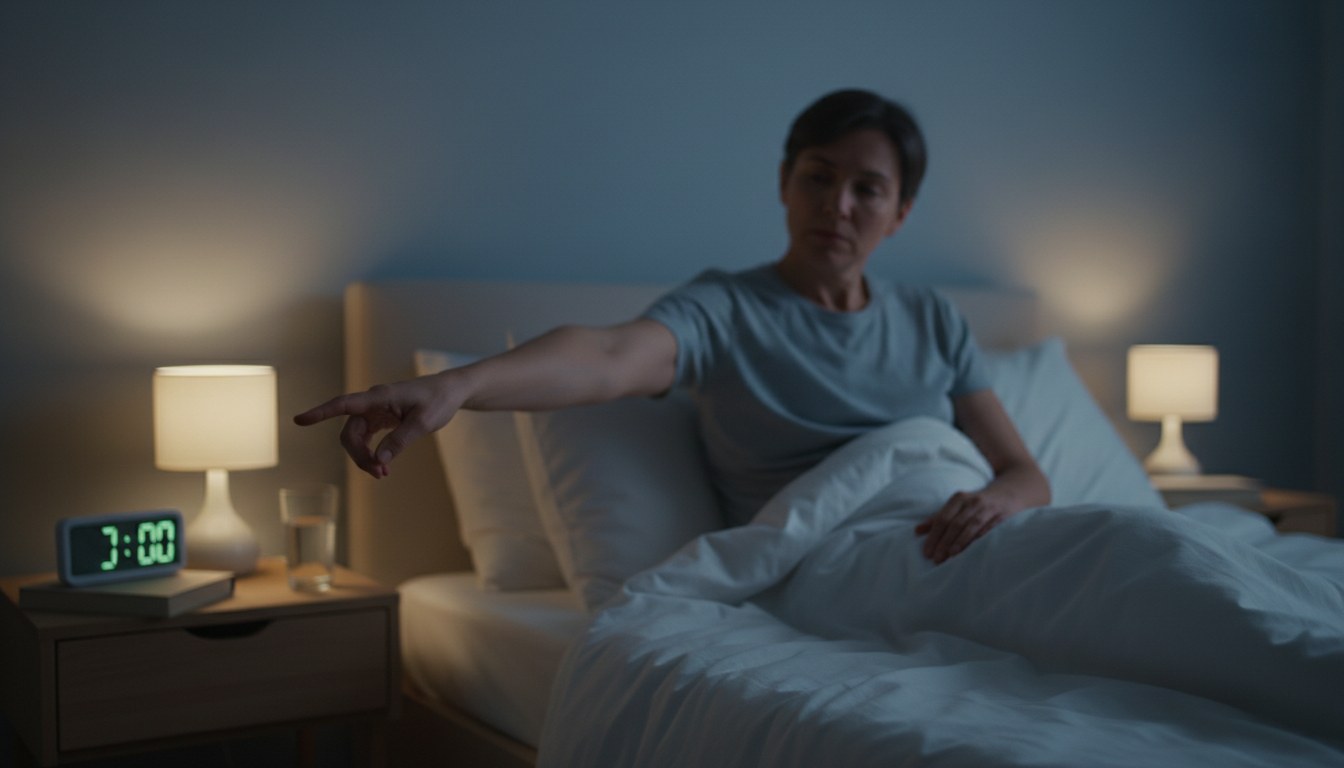
Not being able to fall asleep is a common sleep complaint and a feature of insomnia, and it has many possible causes. Stress, irregular sleep schedules, caffeine, alcohol, screens, pain, mood conditions, other sleep disorders and some medicines can all contribute, and often several factors overlap.
Written By: DocAi Health Editorial Team
Last Updated: 2026-10-03
Not being able to fall asleep is a common sleep complaint and a feature of insomnia, and it has many possible causes. Stress, irregular sleep schedules, caffeine, alcohol, screens, pain, mood conditions, other sleep disorders and some medicines can all contribute, and often several factors overlap. Most short bouts improve with habit changes, but ongoing insomnia deserves a conversation with a clinician. This article covers why you can't fall asleep, what may help, and which symptoms need urgent attention.
Why can't I fall asleep? What insomnia is
MedlinePlus describes insomnia as trouble falling asleep, staying asleep, or getting back to sleep, and it can leave you tired and unfocused the next day (MedlinePlus: Insomnia). It is a symptom pattern, not a single disease. Short-term insomnia often follows a stressful event or a change in routine. Long-term insomnia is usually evaluated for underlying contributors.
Lying awake for a night or two is common and does not by itself suggest a disorder. It becomes worth discussing when it happens repeatedly and affects your days: sleepiness, irritability, trouble concentrating, or worry about sleep itself.
Common reasons it is hard to fall asleep
Usually no single cause explains it. Several factors can add up, and the exact mechanisms are not fully understood. Common contributors include:
- Stress and racing thoughts. A mind that stays alert at bedtime can make sleep onset slow. Worrying about not sleeping can then become its own problem.
- An irregular schedule. Changing bed and wake times, shift work, and long weekend sleep-ins can shift your body clock.
- Caffeine. MedlinePlus notes caffeine is a stimulant that can interfere with sleep (MedlinePlus: Caffeine). Sensitivity varies from person to person, and afternoon or evening intake may matter for some people.
- Alcohol and other substances. Alcohol may make you drowsy at first but can fragment sleep later in the night. Nicotine and stimulant drugs such as cocaine can also disturb sleep (MedlinePlus: Cocaine).
- Light and screens. Bright light and engaging content close to bedtime may make it harder to wind down.
- Daytime habits. Long late naps and little physical activity may contribute. MedlinePlus lists better sleep among the benefits of regular exercise (MedlinePlus: Benefits of Exercise).
Medical and mental health conditions linked with insomnia
Insomnia can be a sign of something else going on. Conditions often associated with trouble sleeping include anxiety, depression, chronic pain, breathing problems, heartburn, and hormonal changes. Menopause, for example, is associated with hot flashes and sleep disruption in many women (MedlinePlus: Menopause).
Other sleep disorders can look like insomnia. Sleep apnea, where breathing repeatedly pauses during sleep, and restless legs syndrome can both make sleep hard to start or maintain (MedlinePlus: Sleep Disorders). If an urge to move your legs is what keeps you up, see our article on restless legs syndrome and the MedlinePlus page on restless legs.
Sleep can also change during pregnancy, in older adults and in children, and the usual home steps and medicines do not always apply to them. If you are pregnant, are older, or are caring for a child with ongoing sleep trouble, a clinician visit is the safest next step.
Medicines that can disrupt sleep
Some prescription and over-the-counter products can affect sleep. Examples include certain antidepressants, decongestants, some asthma medicines, and some steroid medicines. MedlinePlus notes that antidepressants can have side effects, and sleep changes are among those that may occur (MedlinePlus: Antidepressants).
Antidepressants carry a boxed warning on their prescribing label about increased suicidal thinking in children, adolescents and young adults. If you take one and your sleep changes, tell your prescriber so they can decide what makes sense. Stopping some medicines suddenly can cause withdrawal symptoms, so ask your prescriber before changing the dose or timing.
What may help you fall asleep
MedlinePlus lists healthy sleep habits that can help many people (MedlinePlus: Healthy Sleep). Results vary, and these steps may work better in combination:
- Keep a consistent bedtime and wake time, including weekends.
- Make the bedroom dark, quiet, cool and comfortable.
- Limit caffeine in the afternoon and evening, and be cautious with alcohol near bedtime.
- Build a calming wind-down routine, such as reading or gentle stretching.
- Get out of bed if you have been awake for a long time, do something quiet in dim light, and return when sleepy. This may weaken the link between bed and frustration.
- Get regular physical activity, ideally earlier in the day.
Some people use relaxation tools such as meditation apps or listening to audiobooks. Survey research has explored both, including a survey of Calm app users and a study of bedtime audiobook listening. Surveys describe associations and cannot show that these tools cause better sleep.
Treatment for ongoing insomnia
If self-help steps are not enough, a clinician can look at your sleep pattern, medicines, substance use, mood and other health conditions. They combine history, examination and sometimes testing, such as a sleep study when sleep apnea is a concern.
The American College of Physicians guideline on chronic insomnia recommends cognitive behavioral therapy for insomnia (CBT-I) as the first treatment to try, with medicines considered in some cases. CBT-I is a structured program that usually combines a regular sleep schedule, changes to habits that keep you awake, strategies for racing thoughts and relaxation skills. Treating a contributing condition, such as sleep apnea or depression, may also help. Sleep medicines have their own risks, including next-day drowsiness.
The prescribing labels for zolpidem, eszopiclone and zaleplon carry a boxed warning about complex sleep behaviors, such as sleepwalking, sleep-driving, cooking or having sex while not fully awake, often with no memory of it afterward. The label says the medicine should be stopped if this happens. If you or a partner notice it, contact your prescriber or pharmacist right away, and they can tell you what to do next. Alcohol and other sedating medicines may raise the risk. Stopping some sleep medicines abruptly, including benzodiazepines, can cause withdrawal symptoms or seizures, so plan any other change with your prescriber.
Over-the-counter sleep aids that contain diphenhydramine or doxylamine can cause next-day drowsiness and confusion, and older adults may be more sensitive. Ask your clinician or pharmacist about the label for any product you consider.
Because fatigue has many causes, a clinician may also consider conditions beyond sleep when daytime tiredness is the main complaint (review of fatigue as a chief complaint).
Other symptoms that may overlap
If you wake with a pounding heart, night sweats or tingling, those have their own causes. See our articles on waking with a racing heart and on causes of night sweats, which cover them in depth.
When to get help
Seek an appointment if sleep trouble lasts for weeks, affects your work or driving, or comes with low mood, constant worry, loud snoring with pauses in breathing, or heavy daytime sleepiness. If you nod off while driving, do not drive while drowsy and arrange a clinician visit promptly. Tell your clinician about all medicines, supplements, alcohol and caffeine you use.
Seeing or hearing things that are not there, or feeling confused after very little sleep or after starting a new medicine, needs urgent evaluation. If you feel unsafe, call 911. Stroke signs, chest pain or pressure, severe shortness of breath, or an overdose of a sleep medicine, alcohol or another drug also need 911, even if you think poor sleep is the cause. If you have thoughts of harming yourself, call or text 988, the Suicide and Crisis Lifeline, and call 911 if you are in immediate danger.
When to Seek Medical Care
When to Seek Urgent or Emergency Care
Insomnia itself is usually not an emergency, but a few situations around poor sleep need immediate help. The list below separates those from problems that need prompt but non-emergency care. This guidance is in addition to, not a replacement for, the general disclaimer above.
Emergency, call 911 or go to the emergency room immediately if:
- You have thoughts of ending your life with a plan or intent to act, or you have already harmed yourself; call 911 or call or text 988 right away.
- You have stroke signs such as face drooping, arm weakness or slurred speech, even if you think poor sleep or a sleep aid may be the cause.
- You have chest pain or pressure, or severe shortness of breath, at any time, including if it wakes you from sleep or comes with sweating or faintness.
- You took too much of a sleep medicine, alcohol or another drug and are very hard to wake, breathing slowly or having seizures; call 911 and Poison Control at 1-800-222-1222.
See a doctor soon (same-day or next available appointment) if:
- Trouble falling asleep has lasted for weeks and is affecting your mood, work, safety or ability to function during the day.
- You have thoughts of self-harm without a plan or intent: call or text 988 now, contact a clinician promptly, and call 911 if you feel you might act on them.
- A partner notices loud snoring with pauses in your breathing, or you wake gasping, which may suggest sleep apnea that needs evaluation.
- You nod off while driving or at work: do not drive while drowsy, and arrange a clinician visit promptly.
- You or a partner notice sleepwalking, sleep-driving, eating or other activity you do not remember after taking a sleep medicine: contact your prescriber or pharmacist right away, since the label says the medicine should be stopped if this happens.
- You are seeing or hearing things that are not there, or feel confused after very little sleep or after starting a new medicine: seek urgent evaluation, and call 911 if you feel unsafe or cannot keep yourself safe.
Frequently Asked Questions
Why can't I fall asleep even when I'm exhausted?
Feeling tired and being ready for sleep are not the same thing. Stress, an alert or worried mind, an irregular schedule, caffeine, light exposure, or a body clock that runs late can all keep you awake. Several factors often combine. If it continues for weeks, a clinician can look for contributors.
Is occasional trouble falling asleep normal?
Yes, many adults have an occasional night of poor sleep, often during stress, travel or schedule changes. It usually settles once the cause passes. Ongoing difficulty that affects your days, mood or safety is worth discussing with a clinician, who can check for sleep disorders and other contributing conditions.
Can anxiety make it hard to fall asleep?
It can. Anxiety is associated with racing thoughts, muscle tension and heightened alertness at bedtime, and worry about sleep can make the problem self-reinforcing. Insomnia and anxiety can also feed each other. Tell your clinician about both, since treating one may help the other.
Does caffeine in the afternoon affect sleep?
It may. Caffeine is a stimulant, and people differ widely in how long it affects them. If you struggle to fall asleep, you could try moving caffeine earlier in the day and watching hidden sources such as tea, soda, energy drinks and some medicines. Notice what works for you.
Can medicines or supplements cause insomnia?
Some can. Certain antidepressants, decongestants, steroids and stimulant products are associated with sleep changes in some people. Ask your prescriber or pharmacist before changing or stopping a prescription, and tell them about every product you use, including over-the-counter and herbal items. If a sleep medicine causes sleepwalking or sleep-driving, contact your prescriber or pharmacist right away.
Are over-the-counter sleep aids safe to use?
Safety depends on the product and the person. Some, such as those containing diphenhydramine or doxylamine, can cause next-day drowsiness or confusion, and older adults may be more sensitive. Alcohol can add to the effect. Read the label and ask a pharmacist or clinician whether a product fits with your other medicines and health conditions.
When should I see a doctor about not being able to sleep?
Consider an appointment if trouble sleeping lasts for weeks, affects your daytime functioning, or comes with low mood, loud snoring with breathing pauses, leg discomfort at night, or heavy daytime sleepiness. Urgent help is appropriate for thoughts of self-harm, and 988 is available any time by call or text.
Could another sleep disorder be behind my insomnia?
Possibly. Sleep apnea and restless legs syndrome can both make it hard to fall or stay asleep, and they sometimes occur alongside insomnia. Clinicians combine your history, an examination and sometimes testing, such as a sleep study, to see whether another sleep disorder is involved.
Related articles
Restless Legs Syndrome: Why Do My Legs Need to Move at Night?Why Do I Wake Up With a Racing Heart?Causes of Night SweatsSources
- MedlinePlus (NIH) - Insomnia
- MedlinePlus (NIH) - Healthy Sleep
- MedlinePlus (NIH) - Sleep Disorders
- MedlinePlus (NIH) - Caffeine
- MedlinePlus (NIH) - Cocaine
- MedlinePlus (NIH) - Antidepressants
- MedlinePlus (NIH) - Restless Legs
- MedlinePlus (NIH) - Menopause