Atrial Fibrillation: Causes, Symptoms, and Treatment
Atrial fibrillation, often called AFib, is the most common type of irregular heartbeat, and it happens when the heart's upper chambers quiver instead of beating in a coordinated rhythm.
Medical ConditionsAtrial Fibrillationmanagement
Written By: DocAi Health Editorial Team
Last Updated: 2026-08-25
Medically Reviewed By: DocAi Health Medical Review Team
Last Updated: 2026-08-25
Medically Reviewed By: DocAi Health Medical Review Team
Medical Disclaimer: This article is for general informational and educational purposes only and is not medical advice. It does not create a doctor-patient relationship and is not a substitute for professional diagnosis or treatment by a qualified healthcare provider. Never disregard or delay seeking professional medical advice because of something you have read here. If you think you may have a medical emergency, call 911 or your local emergency number right away. Health information can change and this guidance is general and US-focused, so consult a licensed clinician in your own country about your specific situation.
Atrial fibrillation, often called AFib, is the most common type of irregular heartbeat, and it happens when the heart's upper chambers quiver instead of beating in a coordinated rhythm. That quivering lets blood pool and can let a clot form, which is why AFib raises stroke risk even when it does not feel dangerous in the moment. Some people notice a racing or fluttering chest, fatigue, or shortness of breath, while others have no symptoms at all and find out during a routine exam. This article covers what causes AFib, how doctors diagnose and treat it, when an irregular heartbeat is an emergency, and how the condition is managed long term with medication, procedures, and lifestyle changes.
What Happens to the Heart in Atrial Fibrillation
A healthy heartbeat starts with an electrical signal from the sinoatrial node, a small area in the right atrium that acts as the heart's natural pacemaker. That signal spreads in an orderly wave, making the atria contract and push blood into the ventricles before the ventricles contract and send blood to the lungs and body. In AFib, chaotic electrical signals fire from multiple spots in the atria instead of one coordinated source. The atria no longer contract effectively; they quiver, or fibrillate. The ventricles still beat, but they respond to the disorganized signals arriving from above, so the overall heart rate becomes irregular and often too fast.
This matters for two reasons. First, an atrium that is not squeezing properly allows blood to sit still in small pockets, especially in a pouch called the left atrial appendage, and still blood can clot. If a clot breaks loose it can travel to the brain and cause a stroke. Second, a heart that beats irregularly and rapidly for long stretches works less efficiently, which over months or years can weaken the heart muscle and lead to heart failure.
Types of Atrial Fibrillation
Clinicians classify AFib by how long episodes last and how they respond to treatment, because that pattern shapes the treatment plan.
- Paroxysmal AFib comes and goes on its own, usually stopping within 7 days and often within 24 hours.
- Persistent AFib lasts longer than 7 days and typically needs treatment, such as medication or an electrical procedure, to return to a normal rhythm.
- Long-standing persistent AFib has continued for more than a year.
- Permanent AFib is a pattern a patient and doctor have decided not to try to correct back to a normal rhythm, focusing instead on rate control and stroke prevention.
Causes and Risk Factors
AFib usually develops from a combination of structural changes to the heart and outside stress on the heart's electrical system, rather than a single cause. Common contributors include:
- High blood pressure, which over time thickens and stiffens the heart's chambers and is the single most common risk factor for AFib.
- Coronary artery disease and prior heart attack, which can scar heart tissue and disrupt normal electrical pathways.
- Heart valve disease, particularly problems with the mitral valve, which can stretch the left atrium.
- Hyperthyroidism, an overactive thyroid, which speeds up the heart and can trigger AFib.
- Sleep apnea, which causes repeated drops in blood oxygen overnight and is closely linked to AFib.
- Heavy alcohol use, including binge drinking, sometimes called "holiday heart," which can trigger an episode even in people without underlying heart disease.
- Obesity, diabetes, and chronic kidney disease, each of which adds strain to the cardiovascular system.
- Age, since AFib becomes noticeably more common after age 65.
- Family history, since a genetic tendency toward AFib runs in some families.
- Recent surgery, especially heart or lung surgery, or a serious lung infection, which can trigger a temporary episode.
Symptoms
Symptoms vary widely from person to person, and roughly a third of people with AFib notice no symptoms at all until it is found on an exam or an EKG done for another reason. When symptoms do occur, they can include:
- A rapid, fluttering, or pounding sensation in the chest (palpitations)
- An irregular pulse, one that does not fall into a steady rhythm when you check it at the wrist or neck
- Fatigue or a sudden drop in exercise tolerance
- Shortness of breath, particularly with activity or when lying flat
- Lightheadedness or dizziness
- Chest discomfort or pressure
- Weakness or a general sense of being unwell
Some people have brief episodes that resolve on their own within minutes to hours, while others feel symptoms that persist until treated. The intensity of symptoms does not reliably predict stroke risk; a person can have minimal symptoms and still carry a meaningfully higher risk of clot formation.
How Atrial Fibrillation Is Diagnosed
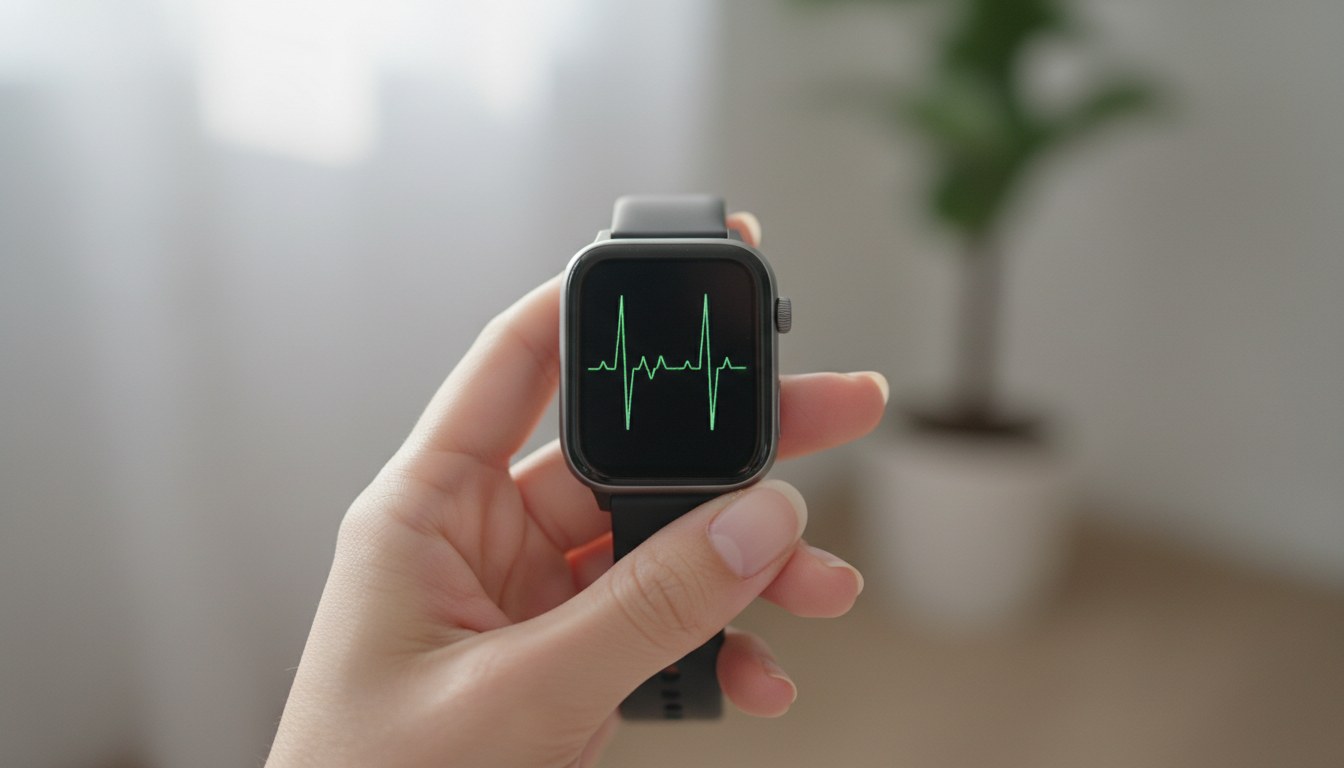
An electrocardiogram, or EKG, is the standard first test and can confirm AFib immediately if it is happening during the test. Because AFib often comes and goes, a doctor may also order extended monitoring, using a Holter monitor worn for 24 to 48 hours, an event monitor worn for weeks, or an implantable loop recorder for longer-term tracking. Many consumer smartwatches can also flag an irregular rhythm, though a positive reading on a watch still needs confirmation with a medical-grade EKG. Additional workup commonly includes an echocardiogram to look at heart structure and valve function, blood tests to check thyroid function and electrolytes, and sometimes a sleep study if sleep apnea is suspected.
Treatment
Treatment for AFib generally works toward three goals at the same time: preventing stroke, controlling the heart rate or rhythm, and addressing whatever underlying condition is driving the AFib.
Stroke Prevention
Because AFib raises stroke risk even between symptomatic episodes, doctors use a scoring tool that weighs factors such as age, high blood pressure, diabetes, and prior stroke to decide whether blood-thinning medication is appropriate. Options include direct oral anticoagulants such as apixaban, rivaroxaban, dabigatran, and edoxaban, or warfarin with regular blood monitoring. For people who cannot tolerate long-term blood thinners, a procedure to close off the left atrial appendage, the pouch where most AFib-related clots form, is sometimes an option.
Rate Control
Medications such as beta-blockers (metoprolol, atenolol) or calcium channel blockers (diltiazem, verapamil) slow the ventricles' response to the atria's chaotic signals, bringing the overall heart rate down to a more comfortable and efficient range even while the underlying rhythm stays irregular.
Rhythm Control
For some patients, particularly those who remain symptomatic despite rate control, the goal shifts to restoring a normal rhythm. This can involve antiarrhythmic medications, electrical cardioversion (a controlled shock delivered under sedation to reset the rhythm), or catheter ablation, a procedure in which a doctor threads thin catheters through a blood vessel to the heart and uses heat or cold energy to disable the tissue triggering the abnormal signals.
Treating the Underlying Cause
Managing high blood pressure, treating sleep apnea with CPAP, correcting an overactive thyroid, reducing alcohol intake, and losing weight when appropriate all measurably reduce AFib frequency and, in some people, can reduce or eliminate the need for other treatment.
Living With Atrial Fibrillation
Many people with AFib live full, active lives once the condition is under control. Regular follow-up with a cardiologist, consistent use of prescribed medications, limiting alcohol and caffeine if they trigger episodes, treating sleep apnea, and monitoring blood pressure at home all help keep AFib in check. Knowing your own pattern, what triggers an episode and how it typically feels, helps you and your care team decide quickly when a change needs medical attention rather than watchful waiting.
When to Seek Medical Care
When to Seek Urgent or Emergency Care
An irregular heartbeat by itself is often not an emergency, but certain symptoms alongside it can signal a stroke, a dangerously fast heart rate, or the heart failing to pump enough blood. This guidance is in addition to, not a replacement for, the general disclaimer above.
Emergency, call 911 or go to the emergency room immediately if:
- You suddenly have facial drooping, arm weakness, or slurred or garbled speech, which can be signs of a stroke caused by a clot from AFib.
- You have sudden numbness or weakness on one side of your body, sudden vision loss, or a sudden severe headache unlike any you have had before.
- You have chest pain or pressure that lasts more than a few minutes, or spreads to your arm, jaw, or back.
- You feel your heart racing very fast, well above 150 beats per minute, along with chest pain, severe shortness of breath, or fainting.
- You faint or nearly faint, especially if it happens along with palpitations.
- You have severe shortness of breath at rest, or you cannot lie flat without gasping for air.
- Your lips or fingertips turn bluish, or you feel confused or unusually drowsy along with an irregular heartbeat.
See a doctor soon (same-day or next available appointment) if:
- You notice a new pattern of palpitations or an irregular pulse that has not been evaluated before.
- Your known AFib episodes are lasting longer or happening more often than usual.
- You feel more tired than usual, or you notice your exercise tolerance dropping over days to weeks.
- You have mild swelling in your ankles or legs that is new or getting worse.
- You are taking a blood thinner and notice unusual bruising, bleeding that will not stop, blood in your urine or stool, or black tarry stools.
- You feel dizzy or lightheaded with activity but do not faint.
Frequently Asked Questions
Is atrial fibrillation the same thing as a heart attack?
No. A heart attack happens when blood flow to part of the heart muscle is blocked, usually by a clot in a coronary artery, damaging that tissue. AFib is an electrical rhythm problem in the upper chambers of the heart. The two conditions are different, though someone can have both, and AFib does raise the long-term risk of other cardiovascular problems.
Can atrial fibrillation go away on its own?
Paroxysmal AFib episodes often stop on their own, sometimes within minutes and usually within 24 to 48 hours. Persistent or long-standing AFib is less likely to resolve without treatment. Even when an episode stops by itself, it is worth having a doctor evaluate the underlying cause and your stroke risk.
How do I know if my pulse is irregular?
Place two fingers on your wrist or neck and count beats for 30 seconds. A regular pulse feels evenly spaced; AFib often feels erratic, with beats coming at unpredictable intervals and sometimes varying in strength. A wearable device with an EKG feature or a formal EKG at a clinic can confirm what your fingers suspect.
What is the difference between AFib and atrial flutter?
Both are abnormal heart rhythms that start in the atria. Atrial flutter usually involves a single, more organized electrical circuit that produces a fast but often regular rhythm, while AFib involves multiple chaotic signals producing an irregular rhythm. They share many of the same risk factors, complications, and treatments, including stroke prevention.
Can I exercise if I have atrial fibrillation?
Most people with well-managed AFib can and should stay physically active, since regular moderate exercise supports heart health and can reduce how often episodes occur. Ask your cardiologist about a safe target heart rate and any activity limits, especially if you are on blood thinners or your AFib is not yet well controlled.
Does caffeine or alcohol trigger atrial fibrillation?
Alcohol, especially binge drinking, is a well-documented trigger for AFib episodes in many people. Caffeine's role is less consistent; some people notice a clear link between coffee or energy drinks and their episodes, while others do not. Tracking your own symptoms after specific foods or drinks can help you identify personal triggers.
How long can you live with atrial fibrillation?
Many people live a normal lifespan with AFib when it is diagnosed and managed appropriately, particularly with stroke prevention through blood thinners when indicated. Untreated AFib carries higher risks of stroke and heart failure over time, which is why ongoing follow-up and medication adherence matter even when you feel fine.
Is catheter ablation a cure for AFib?
Catheter ablation can significantly reduce or eliminate AFib episodes in many patients, especially those with paroxysmal AFib treated earlier in the disease course, but it is not guaranteed to be permanent. Some people need a repeat procedure, and continued monitoring and, in many cases, ongoing blood thinners are still recommended afterward based on individual stroke risk.
Related articles
Hypothyroidism: Causes, Symptoms, and TreatmentGERD (Acid Reflux): Causes, Symptoms, and TreatmentPeripheral Artery Disease (PAD): Causes, Symptoms, and TreatmentSources
- American Heart Association (heart.org) - What is Atrial Fibrillation (AFib or AF)?
- National Heart, Lung, and Blood Institute (NIH) - Atrial Fibrillation
- MedlinePlus (NIH) - Atrial Fibrillation
- Centers for Disease Control and Prevention - About Atrial Fibrillation
- Mayo Clinic - Atrial fibrillation - Symptoms and causes
- American Heart Association (heart.org) - What Are the Risk Factors for Atrial Fibrillation?
- American Heart Association (heart.org) - Treatment and Prevention of Atrial Fibrillation