Causes of Night Sweats
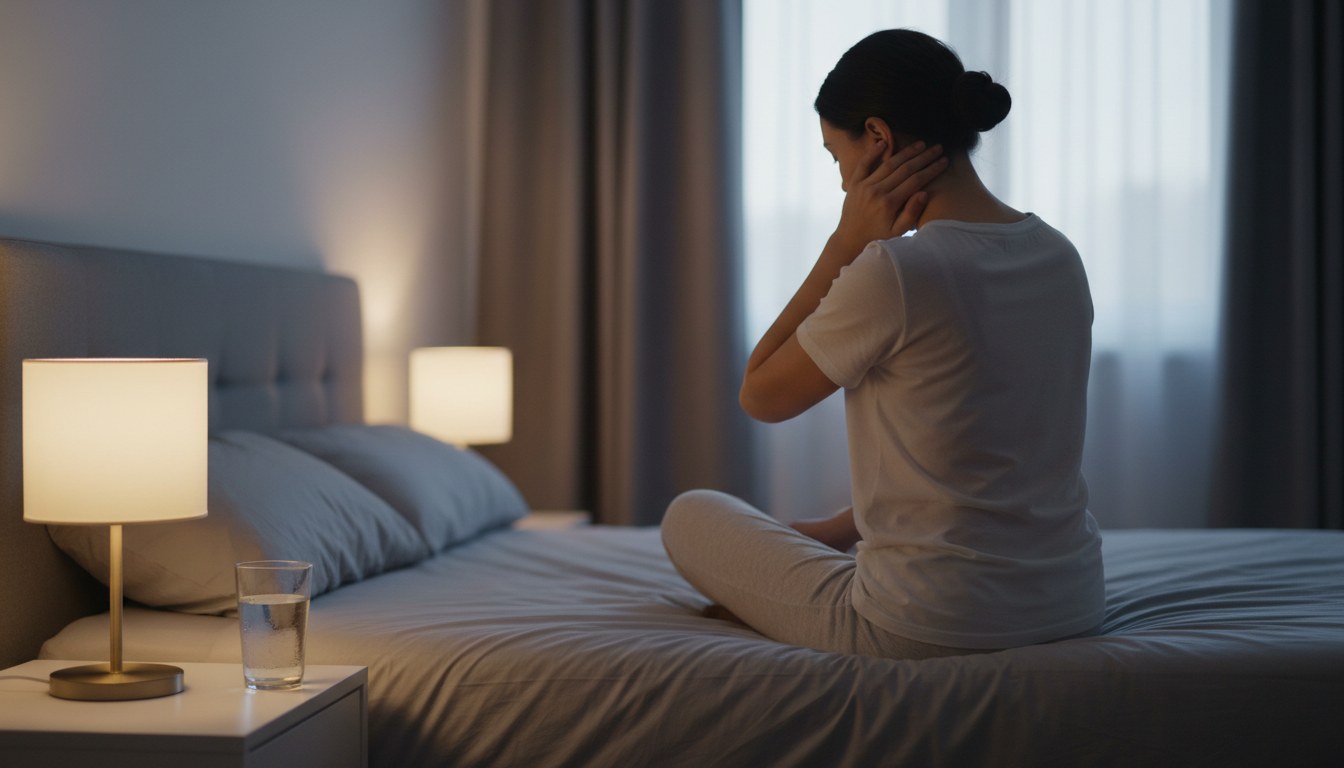
Waking up drenched in sweat, distinct from simply feeling warm under too many blankets, is known as true night sweats. Clinically, night sweats refer to drenching sweating during sleep that is unrelated to the room temperature, severe enough to soak nightclothes and sheets.
Written By: DocAi Health Editorial Team
Last Updated: 2026-07-13
Waking up drenched in sweat, distinct from simply feeling warm under too many blankets, is known as true night sweats. Clinically, night sweats refer to drenching sweating during sleep that is unrelated to the room temperature, severe enough to soak nightclothes and sheets. They are a common complaint with a wide range of causes: many are benign and easily addressed, while others point to underlying medical conditions that benefit from early diagnosis. This guide covers the most common causes.
1. Menopause and Perimenopause
What it is: The most common cause of night sweats in women aged 40-55, hot flashes occurring during sleep as a result of declining estrogen levels during the menopause transition.
Why it happens: Falling estrogen levels disrupt the hypothalamus's temperature regulation, causing it to trigger heat-dissipation responses (sweating, flushing) inappropriately in response to minor temperature fluctuations.
Common symptoms: Intense heat and sweating at night, often waking the person from sleep; hot flashes during the day; irregular periods during perimenopause; mood changes; sleep disturbances; vaginal dryness.
Risk factors: Female sex, age 40-55, surgical menopause (oophorectomy), chemotherapy or radiation-induced menopause.
When to seek evaluation: Night sweats significantly affecting sleep quality are worth discussing with a provider. Hormone therapy and non-hormonal treatments (SSRIs, gabapentin, lifestyle adjustments) can significantly reduce symptom frequency and severity.
2. Medications
What it is: Night sweats as a direct side effect of prescription or over-the-counter medications, one of the most commonly overlooked causes.
Why it happens: Several medication classes affect the hypothalamus and autonomic nervous system, which regulate sweating and temperature. Common culprits include antidepressants (especially SSRIs and SNRIs), tamoxifen (breast cancer treatment), certain blood pressure medications, and opioid pain medications. Antipyretics (aspirin, ibuprofen, acetaminophen) can cause rebound sweating as they wear off at night.
Common symptoms: Night sweats beginning or worsening after starting a new medication; no other systemic symptoms; may be dose-related.
Risk factors: Starting a new medication recently, dose changes, taking multiple medications.
When to seek evaluation: Discussing the timing with a prescribing provider is the first step. Dose adjustment, timing change, or switching to an alternative may resolve the issue without stopping necessary treatment.
3. Infections
What it is: Night sweats are a well-recognized symptom of several infections, particularly those causing ongoing fever or systemic immune activation.
Why it happens: Infections trigger the release of inflammatory cytokines that act on the hypothalamus, raising the body's temperature set point. As the set point fluctuates overnight, the body sweats to dissipate heat, resulting in drenching sweats.
Common symptoms: Night sweats with fever, fatigue, weight loss, and other symptoms depending on the infection's location and type. Tuberculosis classically causes night sweats, weight loss, and a productive cough. HIV and endocarditis (heart valve infection) also commonly cause night sweats.
Risk factors: TB, close contact with a person with active TB, immunosuppression, origin from or travel to high-prevalence regions. HIV, unprotected sex, IV drug use. Endocarditis, recent dental procedures, IV drug use, valvular heart disease.
When to seek evaluation: Night sweats with fever, weight loss, or known infection risk factors warrant prompt evaluation including TB screening and HIV testing.
4. Lymphoma
What it is: Cancer of the lymphatic system, particularly Hodgkin's lymphoma and Non-Hodgkin's lymphoma, classically presents with a triad of "B symptoms" including night sweats, fever, and unexplained weight loss.
Why it happens: Lymphoma cells release cytokines that disrupt temperature regulation and cause systemic inflammation, resulting in drenching night sweats.
Common symptoms: Drenching night sweats (the "B symptom" type, severe enough to soak sheets); unexplained weight loss (more than 10% of body weight in 6 months); fever without infection; painless swollen lymph nodes in the neck, armpit, or groin; fatigue.
Risk factors: Age (both young adults and over 60), weakened immune system, prior Epstein-Barr virus infection (Hodgkin's), family history, certain autoimmune conditions.
When to seek evaluation: Night sweats with painless swollen lymph nodes, fever, and weight loss together require prompt medical evaluation. This combination should not be attributed to other causes without thorough investigation.
5. Hypoglycemia (Low Blood Sugar)
What it is: Low blood sugar during the night (nocturnal hypoglycemia), most common in people with diabetes taking insulin or certain oral medications.
Why it happens: When blood glucose drops while sleeping, the body releases adrenaline (epinephrine) to signal an emergency and mobilize glucose, the adrenaline release causes sweating, rapid heart rate, and waking.
Common symptoms: Waking suddenly with sweats and shakiness; headache in the morning; nightmares or restless sleep; feeling hungrier than usual in the morning.
Risk factors: Type 1 or type 2 diabetes with insulin or sulfonylurea medications, skipping dinner, alcohol consumption before bed.
When to seek evaluation: Recurrent night sweats in a person with diabetes should prompt glucose monitoring at bedtime and during the night. Medication adjustment may be needed.
Emergency, call 911: Severe low blood sugar is a medical emergency. If you or someone you are with is confused, unable to wake up, or having a seizure during a suspected low-blood-sugar episode, call 911 immediately. If the person is conscious and able to swallow, give fast-acting sugar (juice, glucose tablets, or regular soda) right away. Glucagon should be given if available and the person cannot swallow, call 911 right away after giving glucagon or if no glucagon kit is available.
6. Anxiety Disorders
What it is: Anxiety activates the sympathetic nervous system, which can cause sweating, including during the night.
Why it happens: Anxiety keeps the sympathetic nervous system active even during sleep, causing intermittent surges that trigger sweating, rapid heart rate, and disturbed sleep. Nightmares associated with PTSD or general anxiety can also trigger sweating episodes.
Common symptoms: Night sweats associated with anxiety, vivid dreams, or nightmares; daytime anxiety symptoms; sweating that may occur during anxious moments throughout the day as well.
Risk factors: Generalized anxiety disorder, PTSD, panic disorder.
When to seek evaluation: If anxiety is suspected to be contributing to night sweats, a mental health evaluation alongside medical workup is appropriate.
When to Seek Medical Care
Most causes of night sweats are not emergencies and are best evaluated by scheduling a visit with a healthcare provider. However, a few situations need emergency care right away rather than a routine appointment.
Emergency, call 911 or go to the emergency room immediately if you or someone you are with has:
- Confusion, inability to wake up, or a seizure during a suspected low-blood-sugar (hypoglycemia) episode
- Chest pain, pressure, or shortness of breath at rest
- Fainting or loss of consciousness
- Sudden one-sided weakness, facial drooping, or slurred speech
- A high fever with confusion, a severe headache, a stiff neck, or a rash that doesn't fade under pressure
- Coughing up blood
See a doctor soon (schedule an appointment) if night sweats are:
- Persistent, occurring most nights for several weeks
- Drenching enough to soak nightclothes and sheets
- Accompanied by fever, unexplained weight loss, or swollen lymph nodes
- New after starting a medication
- Occurring in a person who is not perimenopausal and has no other clear explanation
Frequently Asked Questions
What is the difference between hot flashes and night sweats?
Hot flashes are sudden feelings of intense heat, often with flushing and sweating, that can occur at any time of day. Night sweats are hot flashes that occur specifically during sleep and are severe enough to soak nightclothes and bedding. Both are most commonly caused by menopause.
Can anxiety cause night sweats?
Yes. Anxiety activates the sympathetic nervous system, which can cause sweating including during sleep. Night sweats from anxiety are often associated with vivid dreams, nightmares, or waking during anxious moments.
Are night sweats in men always serious?
Night sweats in men are less commonly caused by hormonal changes, so other causes, particularly medications, infections, lymphoma, and sleep apnea, should be investigated. Low testosterone (hypogonadism) can also cause night sweats in men.
What is the B symptom triad in lymphoma?
The "B symptoms" in lymphoma are: drenching night sweats, unexplained fever (above 38°C/100.4°F), and unintentional weight loss of more than 10% of body weight within 6 months. The presence of these symptoms indicates more aggressive disease and affects staging and treatment.
Can sleep apnea cause night sweats?
Yes. Sleep apnea, particularly obstructive sleep apnea, is associated with night sweats. Repeated episodes of low oxygen during sleep activate the sympathetic nervous system, which can trigger sweating. Treating sleep apnea often improves night sweats in affected people.
Sources
- MedlinePlus (National Library of Medicine, NIH): Night sweats.
- Mayo Clinic - Night sweats - Causes
- National Cancer Institute (NIH) - Hodgkin Lymphoma Treatment (PDQ®), Health Professional Version
- The Menopause Society (formerly NAMS) - Symptoms
- Centers for Disease Control and Prevention (CDC) - About Active Tuberculosis Disease