Chickenpox in Children: Symptoms, Home Care, and Serious Complications
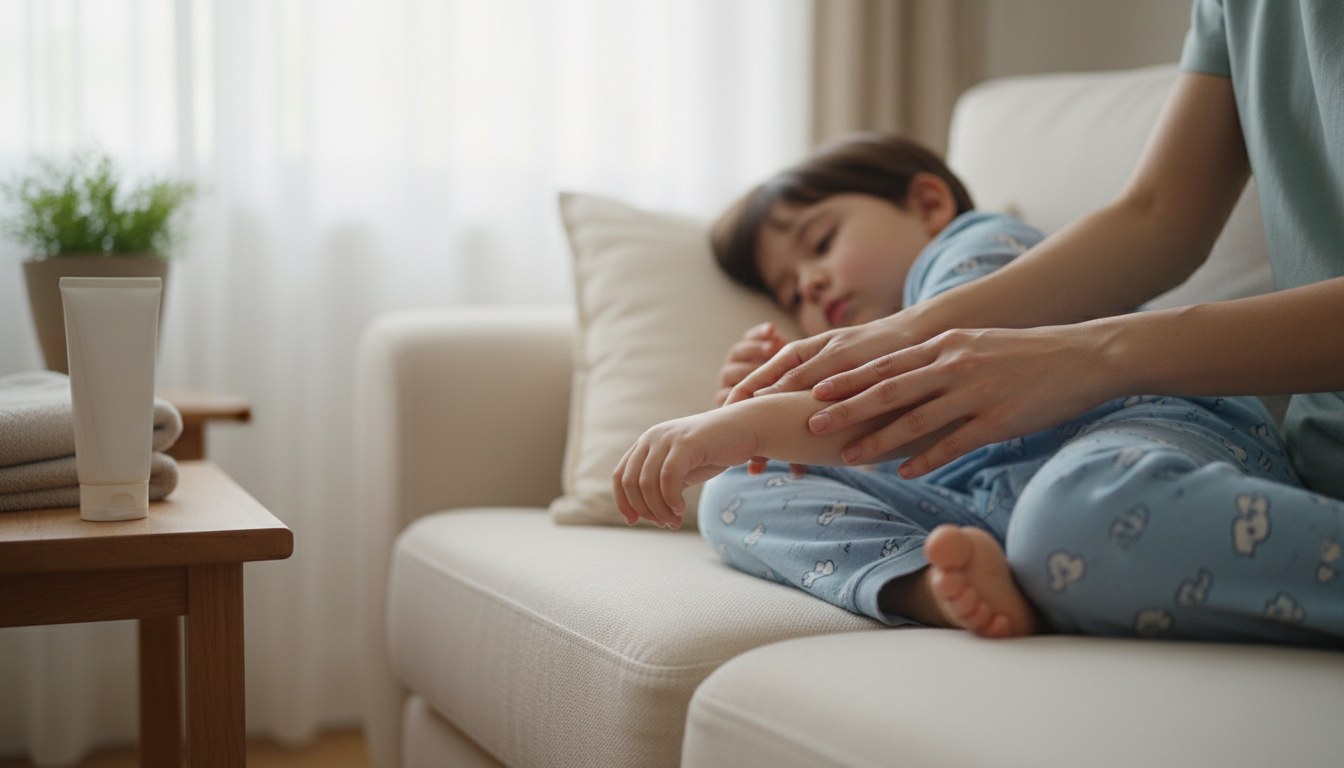
Chickenpox in children usually appears as an itchy rash that turns into fluid-filled blisters, often with fever, tiredness, and a poor appetite.
Written By: DocAi Health Editorial Team
Last Updated: 2026-09-28
Chickenpox in children usually appears as an itchy rash that turns into fluid-filled blisters, often with fever, tiredness, and a poor appetite. Many healthy children recover at home with comfort care, but the illness can sometimes lead to skin infections, pneumonia, or brain inflammation, and it is riskier for newborns, pregnant women, and people with weakened immune systems. This article covers symptoms, home care, how long it spreads, vaccination, and the warning signs that need urgent care.
What chickenpox in children looks like
Chickenpox is caused by the varicella-zoster virus. According to MedlinePlus (NIH), it causes an itchy, blister-like rash, and it spreads easily to people who have not had the disease or the vaccine.
The illness often begins with a day or two of mild symptoms before the rash appears. A child may have:
- A low or moderate fever
- Tiredness and irritability
- Headache or a general achy feeling
- Less interest in eating
Then the rash begins, often on the chest, back, and face, and it can spread to the scalp, arms, legs, and even the mouth and genital area. Spots usually start as small red bumps. They can become fluid-filled blisters, then break open and form crusts. A hallmark of chickenpox is that spots in different stages appear at the same time, so a child may have fresh bumps, blisters, and scabs on the same day. New spots often keep appearing for several days.
How it can look different in vaccinated children
A child who has had the vaccine can still catch chickenpox. This is sometimes called breakthrough chickenpox. It often looks milder, with fewer spots, little or no fever, and spots that may look more like red bumps than blisters. A mild case can still spread the virus to others, so the same precautions apply.
How chickenpox spreads and how long a child is contagious
The virus spreads through the air when an infected person coughs or breathes, and through contact with fluid from the blisters. It can spread before anyone knows the child is sick. The CDC says a person with chickenpox can spread it from 1 to 2 days before the rash appears until all blisters have crusted over. For vaccinated children who have only red bumps and no blisters, the CDC advises waiting until no new spots have appeared for 24 hours. Your pediatrician or school can tell you the exact rule that applies to you.
After exposure, symptoms usually take roughly two to three weeks to develop.
Who should be told about the exposure
Most exposed children need nothing more than watching for symptoms. A few people can become seriously ill, so the exposed person (or the parent of an exposed baby) should contact their own doctor right away if a child with chickenpox has been around any of these people:
- Pregnant women who have not had chickenpox or the vaccine
- Newborns and young infants
- People with weakened immune systems, such as those receiving chemotherapy, long-term steroid medicines, or transplant medicines
Depending on the situation, a clinician may consider a vaccine, an antibody treatment, or an antiviral medicine for an exposed high-risk person. The CDC notes that an eligible unvaccinated person who is exposed may receive varicella vaccine ideally within 3 days and up to 5 days after exposure (see the CDC clinical overview of chickenpox). Whether any of these options is appropriate is a decision for that person's clinician, so contact them promptly.
Home care for a child with chickenpox
There is no medicine that makes chickenpox disappear quickly in most healthy children. Care focuses on comfort, preventing infection of the skin, and watching for warning signs. Several measures can help.
Easing the itch
- Cool baths with plain water or colloidal oatmeal bath products can soothe the skin. Pat dry gently rather than rubbing.
- Calamine lotion applied to the spots may reduce itching for some children.
- Loose, soft cotton clothing can reduce irritation. Cool rooms help because heat and sweat can make itching worse.
- Short, clean fingernails, and cotton mittens or socks on the hands at night for young children, can limit damage from scratching.
Scratching matters because open blisters give bacteria an entry point. Skin infections are one of the more common complications of chickenpox in children, and scratching may raise the risk. See the MedlinePlus page on blisters for general skin care.
If itching is intense or sleep is disrupted, ask your pediatrician or pharmacist whether an oral antihistamine is appropriate for your child's age. Use only products that are labeled for children, and have a clinician or pharmacist guide the choice.
Fever and discomfort: medicines to avoid
Acetaminophen (Tylenol) is the fever reducer most often recommended for children with chickenpox. Follow the directions on the product label for your child's age and weight, and check with your pediatrician or pharmacist if you are unsure about the amount or timing. This page does not give doses, and our article on children's Tylenol by weight goes into the label details.
Two cautions deserve emphasis:
- Aspirin and salicylates. Do not give aspirin or any salicylate-containing product, including bismuth subsalicylate (Pepto-Bismol), to a child with chickenpox. These products have been associated with Reye syndrome, a rare but serious illness of the brain and liver that can cause repeated vomiting, unusual sleepiness, confusion, and seizures in children recovering from viral infections such as chickenpox. Some cold, stomach, and pain products contain salicylates, so read labels and ask a pharmacist if you are unsure.
- Ibuprofen. Pediatric guidance often advises avoiding ibuprofen during chickenpox where possible, because of a possible association with serious skin and soft-tissue infections. Evidence is limited, so ask your pediatrician or pharmacist which fever reducer they recommend for your child.
Fluids, food, and mouth sores
Chickenpox spots can form inside the mouth, which can make swallowing painful. Cool fluids, popsicles, and soft foods are often easier to tolerate than salty, acidic, or crunchy foods. The goal is steady fluid intake rather than a normal appetite. A child who is drinking and urinating regularly is usually managing well.
Does a doctor need to see every child with chickenpox?
Not every child needs an office visit, and a phone call to the pediatrician's office is often a sensible first step, especially because exposing a waiting room to a contagious child can put vulnerable patients at risk. Call ahead before coming in so staff can plan how to see your child safely.
Clinicians usually diagnose chickenpox from the appearance of the rash and the history of exposure. Testing may be used when the diagnosis is uncertain, when a child is vaccinated and has an unusual rash, or when the child is at higher risk.
Prescription antiviral medicine
Antiviral medicines such as acyclovir exist for chickenpox. They are typically considered for people at higher risk of complications, such as those with weakened immune systems, chronic skin or lung disease, or long-term steroid or salicylate therapy, and for some people over 12 years, as a clinician decides. Antivirals are generally considered most useful when started early, so call the pediatrician as soon as the rash appears if your child falls into one of these groups. Antivirals do not replace urgent care for infants, pregnant people, or people with weakened immune systems. Do not start, skip, or change any prescription medicine without asking the prescriber.
Serious complications of chickenpox
Most children recover without lasting problems, but several complications can occur. They are less common than the ordinary illness, and the exact risk varies with the child's age and health.
Bacterial skin and soft tissue infections
Bacteria can enter through scratched or open blisters. Warning signs include skin that becomes increasingly red, warm, swollen, or painful, pus or cloudy drainage, red streaks, or a new fever after the child had been improving. A fever that returns after improvement can be a sign of a bacterial infection and needs a same-day call to the pediatrician; any fever in a baby under 3 months needs urgent evaluation. In severe cases bacteria can spread more deeply or into the bloodstream, which is a medical emergency. A rash that quickly turns dark purple or black, rapidly spreading painful skin with a very ill appearance or fast breathing, or a child who looks limp or hard to rouse, needs 911.
Pneumonia
Chickenpox can affect the lungs, either from the virus itself or from a bacterial infection that follows. For clinical background on complications such as pneumonia, see the CDC clinical overview of chickenpox. Lung involvement may be more common in adolescents, adults, pregnant people, and those with weak immune systems than in healthy young children. A new persistent cough or chest pain needs same-day evaluation. Fast or labored breathing, trouble breathing, or blue or gray lips needs 911.
Brain and nervous system involvement
Chickenpox can sometimes lead to inflammation of the brain (encephalitis) or the part of the brain that controls balance (cerebellitis). MedlinePlus has an overview of encephalitis. Signs can include confusion, unusual sleepiness, difficulty waking, a seizure, severe headache with a stiff neck, or new unsteadiness when walking. A seizure, confusion, or a child who is hard to wake needs 911. A child who develops new clumsiness or an unsteady walk after chickenpox needs same-day evaluation; call 911 if it comes with confusion, unusual sleepiness, repeated vomiting, severe headache, or a seizure.
Reye syndrome, dehydration, and other problems
Reye syndrome is linked to aspirin and salicylate use during or after a viral illness. It typically shows up as sudden, repeated vomiting along with unusual sleepiness, lethargy, or confusion, sometimes with seizures. If your child has these symptoms after chickenpox, especially if they may have taken aspirin or a salicylate product, call 911 and tell the responders about any medicines given.
Painful mouth sores, fever, and vomiting can also reduce how much a child drinks. Signs of dehydration include few wet diapers or trips to the bathroom, a dry mouth, no tears when crying, sunken eyes, and unusual drowsiness. Less commonly, chickenpox is associated with bleeding problems and joint infections.
Eye involvement
Blisters in or near the eye can threaten vision. A child with blisters on or around the eye needs same-day evaluation, ideally with an eye specialist.
Risks for newborns and pregnancy
Chickenpox can be more severe in newborns and young infants, and in pregnancy it can be dangerous for the mother and may affect the baby. A newborn whose mother had chickenpox around the time of delivery, or a young infant exposed to chickenpox, should be evaluated by a doctor right away, even without symptoms, because preventive treatment may be needed. For other exposures, call the pediatrician the same day to ask whether treatment is needed. A newborn who is sleepy, feeding poorly, or hard to rouse needs emergency care. A pregnant woman who has been exposed and is unsure whether she has had chickenpox or the vaccine should call her obstetric clinician promptly, who can decide whether testing or treatment is appropriate.
Chickenpox and shingles
After chickenpox clears, the virus can remain dormant in nerve cells and reactivate years later as shingles, a painful rash usually on one side of the body. MedlinePlus has a page on shingles. A child with shingles can pass chickenpox virus to someone who has not been immunized or infected, so the blisters should be covered and contact with high-risk people avoided.
Vaccination against chickenpox
According to the CDC childhood immunization schedule, children get two doses of varicella vaccine, the first at 12 to 15 months and the second at 4 to 6 years. MedlinePlus gives an overview of childhood vaccines. The CDC reports that two doses of varicella vaccine are about 90% effective at preventing any chickenpox and are highly effective at preventing severe disease, and vaccinated people who still catch it often have milder illness. The vaccine is generally not given to certain people, such as those who are pregnant or have significantly weakened immune systems, so your clinician should review your child's history. Ask your pediatrician what your child needs, particularly if doses were missed or if older children, teens, or adults in the family never had the vaccine or the disease.
Caring for the rest of the family
Because chickenpox spreads easily, ask your pediatrician about household members who have not had chickenpox or the vaccine. Wash hands often, avoid sharing towels, and keep the child away from newborns, pregnant women, and anyone with a weakened immune system until the blisters have crusted over. For general fever guidance, see our article on fever in children.
When to Seek Medical Care
When to Seek Urgent or Emergency Care
Most chickenpox cases are mild, but a few signs suggest a child has pneumonia, brain involvement, or a spreading bacterial infection. Use the lists below to decide how fast to act, and do not give aspirin, salicylate products such as Pepto-Bismol, or ibuprofen to a child with chickenpox unless a pediatrician advises it; ask about acetaminophen (Tylenol) at the label amount and about antihistamines for itch. This guidance is in addition to, not a replacement for, the general disclaimer above.
Emergency, call 911 or go to the emergency room immediately if:
- Your child is struggling to breathe, breathing very fast, or has blue or gray lips, which can be a sign of chickenpox pneumonia.
- Your child has a seizure, is confused, is very hard to wake, or has new unsteady walking together with confusion, unusual sleepiness, repeated vomiting, or severe headache, which can be signs of brain inflammation.
- Your child has sudden, repeated vomiting with unusual sleepiness or confusion after chickenpox, which can be a sign of Reye syndrome, especially if aspirin or a salicylate product was given.
- Your child has a severe headache with a stiff neck, or seems unusually limp and unresponsive.
- The rash turns dark purple or black, or the skin around blisters becomes rapidly spreading and very painful, especially with a very ill appearance or fast breathing, which can be a sign of a severe bacterial infection.
- A newborn or young infant is sleepy, feeding poorly, or hard to rouse after chickenpox exposure or illness.
See a doctor soon (same-day or next available appointment) if:
- Skin around blisters becomes increasingly red, warm, swollen, or painful, or drains pus, which can signal a bacterial skin infection.
- Fever returns or gets worse after your child had been improving, or a fever keeps going longer than expected, which needs a same-day call to the pediatrician; any fever in a baby under 3 months needs urgent evaluation.
- Your child shows signs of dehydration, such as very few wet diapers or bathroom trips, a dry mouth, or no tears.
- Your child develops new unsteadiness when walking or new clumsiness, which needs same-day evaluation (call 911 if confusion, unusual sleepiness, repeated vomiting, severe headache, or a seizure is also present).
- Your child has new chest pain or a persistent cough, which needs same-day evaluation (call 911 if there is any trouble breathing).
- Blisters appear in or near the eye, which can threaten vision and needs urgent same-day evaluation, ideally with an eye specialist.
- A child with chickenpox has been around a pregnant woman who is not immune, a young infant, or someone with a weakened immune system: that person should call their own doctor right away because preventive treatment may be needed, and a newborn whose mother had chickenpox around delivery should be evaluated right away.
Frequently Asked Questions
How long does chickenpox last in children?
In many healthy children the rash and illness run their course over roughly one to two weeks. New spots often keep appearing for several days, and the blisters crust over before healing. Itching and tiredness may linger. Recovery varies, so ask your pediatrician if your child seems to be getting worse instead of gradually better.
When can my child go back to school after chickenpox?
Children are generally considered safe to return once all of the blisters have crusted over and no new spots are forming. Schools and child care centers may have their own rules, so check with them and with your pediatrician. A child can spread the virus before the rash appears, which is why outbreaks are common.
Can a vaccinated child still get chickenpox?
Yes. Breakthrough chickenpox can occur in vaccinated children, though it is often milder, with fewer spots and little or no fever. Vaccinated children with mild illness may still spread the virus to others, so keep them away from high-risk people until all spots have crusted. Ask your pediatrician if your child needs another dose.
What can I give my child for the itch and fever?
Cool baths, calamine lotion, and loose cotton clothing can ease itching. For fever, acetaminophen (Tylenol) is commonly recommended; follow the product label and ask your pediatrician or pharmacist about amounts. Avoid aspirin because of its link to Reye syndrome, and ask your pediatrician before using ibuprofen.
Why should children with chickenpox avoid aspirin?
Aspirin and other salicylate-containing products have been associated with Reye syndrome, a rare but serious condition that can affect the brain and liver, in children recovering from viral illnesses like chickenpox. Read labels carefully, since some cold and stomach remedies contain salicylates, and ask a pharmacist if you are unsure about a product.
How can I tell if chickenpox blisters are infected?
Infection may be suggested when the skin around blisters becomes more red, warm, swollen, or painful, when pus drains, or when fever returns after improving. Call your pediatrician the same day if you see these changes. If the rash turns dark purple or black or your child looks very ill, call 911.
Can adults or pregnant women catch chickenpox from a child?
Adults who have not had chickenpox or the vaccine can catch it, and the illness can be more severe in adults and in pregnancy. A pregnant woman who is unsure of her immunity after exposure should contact her obstetric clinician promptly, so they can decide on testing or treatment.
Can my child get chickenpox twice?
A second case is uncommon, but it can happen, particularly in children with weakened immune systems or very mild first illness. The more common later problem is shingles, which comes from the same virus reactivating years afterward. If a rash looks like chickenpox again, your pediatrician can help sort out the cause.
Related articles
Common Childhood Rashes: Identification, Causes, and CareFever in Children: Causes, When to Worry, and When to WaitHow Much Children's Tylenol Can You Give by Weight?Sources
- MedlinePlus (NIH) - Chickenpox
- MedlinePlus (NIH) - Childhood Vaccines
- MedlinePlus (NIH) - Shingles
- MedlinePlus (NIH) - Encephalitis
- MedlinePlus (NIH) - Blisters
- CDC - About Chickenpox
- CDC - Clinical Overview of Chickenpox
- CDC - Child and Adolescent Immunization Schedule by Age